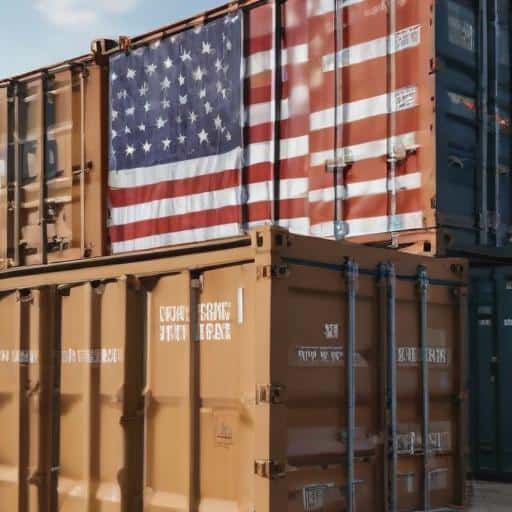
Deena Ghazarian, who founded her California-based company Austere just a year before the trade policies of President Donald Trump took a toll on her business, faced significant challenges due to the tariffs imposed during his administration. In 2019, after Austere secured contracts with major US retailers to supply high-end audio and video accessories produced predominantly in China, Trump implemented hefty tariffs, resulting in a 25% surcharge on all imported products from China. This sudden cost increase nearly resulted in the collapse of her business, as she had to absorb these expenses.
Fast forward to 2025, and many businesses, including Ghazarian’s, find themselves navigating similar treacherous waters as Trump re-enters the political landscape. Since he returned to office, tariffs on all imported goods from China rose by 20%, compounded by taxes on products from Canada and Mexico. While Trump argues these measures are necessary to combat illegal drug and migrant flows, as well as to correct trade imbalances and bring manufacturing back to the U.S., the wider implications are concerning. Goods that were previously exempt are now affected, bringing new challenges to American importers who ultimately bear the financial burden.
The Consumer Technology Association (CTA) has noted that the effects of these tariffs will largely fall on American businesses and consumers. Almost 146 billion dollars’ worth of electronic products were imported from China in 2023, showcasing the extent of dependency on Chinese manufacturing. Essential tech products like smartphones, laptops, and tablets now face steep tariffs, further increasing the likelihood of higher consumer prices.
Similar situations were seen during Trump’s previous term, where businesses had already begun to adapt to the unpredictability of trade policies with China and other nations. While the motor and tech industries express cautious optimism that these protective measures could eventually bolster domestic manufacturing, the immediate reality suggests a challenging environment for businesses reliant on imports.
Companies, including emerging enterprises like Austere, must now be strategically agile to respond to the evolving trade dynamics. It’s a critical moment, where corporate resilience, adaptability, and possibly innovative strategies could help mitigate the impact of these tariffs on their operations.
Overall, this situation serves as a vital reminder of the complex interplay between government policy and business. While tariffs aim to enhance domestic production, they also risk inflating costs for consumers, potentially leading to reduced demand and economic strain. Continued vigilance and strategic foresight will be essential as businesses navigate this unpredictable landscape, finding new ways to thrive amidst challenges.
Leave a comment