
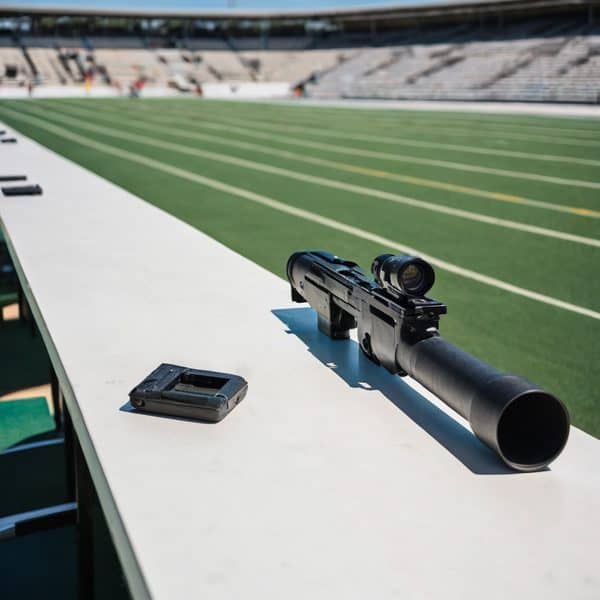
Pacific sprint king Banuve Tabakaucoro has urged organisers to improve the use of electronic starter guns after technical faults disrupted sprint events at the 2026 Coca‑Cola Games Championship on Thursday and Friday. The malfunctions sparked a series of false starts and restarts that delayed heats and finals, leaving athletes, coaches and spectators frustrated at points throughout the two days.
Several sprint races were held up when competitors struggled to hear the starter signal amid background noise or when the gun failed to fire on cue. Officials flagged the interruptions as technical malfunctions, repeatedly instructing athletes to “take their marks” again while race starts were reset. Spectators and supporters voiced their concerns during the stoppages, as confusion mounted over what constituted a legitimate start.
Reflecting on the disruption, Tabakaucoro called for organisers to “polish up” the starter gun system for future competitions. “If we can polish up on them in the future, that will be really great,” he said, while acknowledging the pressure on volunteers and officials working the meet. “I think the officials are pretty much working overtime as well for these kids. This is a high‑pressure situation too, so they are only human, and I understand what they are going through.”
The incidents come as the Fiji Secondary Schools Athletics Association (FSSAA) continues its switch to electronic starter guns — a move away from the manual hand clappers and blank rounds used in previous years. While the adoption of electronic devices was intended to modernise race procedures and improve consistency, the recent faults have exposed reliability problems that affected the smooth running of marquee sprint events at the national secondary schools finals.
Despite the interruptions, Tabakaucoro said the Coca‑Cola Games finals showed significant progress overall, but stressed that technical and operational improvements were still needed. His remarks underline growing calls from athletes and observers for organisers to ensure starter systems are foolproof at events where milliseconds can determine winners and podiums.
The equipment issues during Thursday and Friday’s sprints are the latest development at the championship and put a spotlight on operational readiness as the FSSAA implements modern starting technology. For now, athletes and officials will have to contend with the fallout from the recent delays while organisers consider how best to prevent similar problems at future meets.