The annual Shangri-La Dialogue in Singapore has highlighted a growing rift between the United States and Europe regarding military priorities in Asia. U.S. Defense Secretary Pete Hegseth labeled China an “imminent” threat but urged European nations to focus more on their own security needs rather than extending their military interests into the Indo-Pacific region. This comes as China opted to send a low-level delegation to the dialogue, indicating a downplaying of the event.
European leaders, however, countered Hegseth’s stance, asserting that European security is tightly interwoven with that of Asia. Kaja Kallas, the EU foreign policy chief, emphasized that concerns about China cannot be examined in isolation from the ongoing issues posed by Russia, especially in light of China’s support for Moscow during the Ukraine conflict. French President Emmanuel Macron further underscored France’s commitment to the Indo-Pacific, suggesting a “third path” that seeks to navigate between U.S. and Chinese spheres of influence.
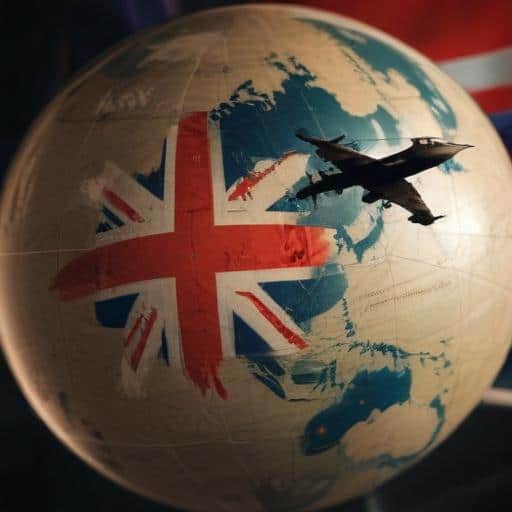
Despite U.S. pressures, European countries are enhancing their military and economic partnerships in Asia. The United Kingdom’s deployment of an aircraft carrier to Singapore, its historically established training camps in Brunei, and the AUKUS trilateral security pact collectively illustrate ongoing strategic commitments. Furthermore, European defense companies like Airbus and Saab have maintained a strong foothold in Asian markets, with Saab in particular nearing a fighter jet agreement with Thailand that would challenge U.S. competitor Lockheed Martin.
While some officials echo Hegseth’s call for Europe to first reinforce its own defenses, others advocate maintaining engagement on multiple fronts. This emerging divide among Western allies reflects a more complex and possibly fragmented global security framework.
The dialogue also aligns with broader trends observed globally, as nations invest in defense capabilities to address rising security concerns, particularly in the Asia-Pacific region. The increasing defense expenditure across Southeast Asian countries, driven by apprehensions about both China’s assertiveness and Russia’s actions in Ukraine, illustrates this shift.
A hopeful perspective that emerges from these developments is that renewed international dialogues could not only enhance mutual understanding but also pave the way for collaborative security frameworks that benefit all parties involved. By emphasizing cooperation instead of division, nations can better navigate the evolving geopolitical landscape.
Leave a comment