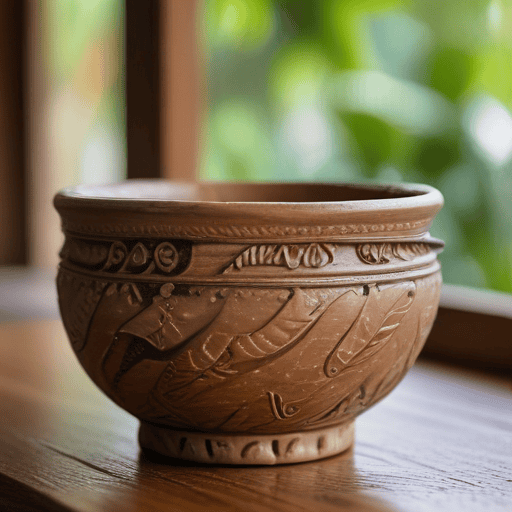
Nasilai, a vibrant fishing village located along one of the Rewa River’s tributaries, is well-known for its rich cultural heritage, particularly in the art of pottery. The women of the Vulagi tribe have safeguarded their ancestral knowledge of traditional Fijian pottery for generations, creating exquisite water and cooking pots that predate European contact. This craft remains a vital aspect of the community’s identity.
One of Nasilai’s most eminent ceramic artists was Taraivini Wati Godrovai Rokotuiwai, affectionately known as Wati. Renowned not only for her exceptional skill in clay pottery, Wati was also a gifted storyteller, sharing the history and traditions of her tribe through her art. Among her notable contributions was the design of the *saqamoli*, the traditional water vessel represented on the reverse side of Fiji’s one-dollar coin. This unique design comprised three conjoined globules and was originally crafted for the paramount chief of Rewa.
Wati’s artistic journey was marked by a strong cultural connection, rooted in her upbringing. According to Dr. Paul Geraghty, an adjunct associate professor at the University of the South Pacific, Wati was destined to be a potter, having been symbolically given a stone and a wooden paddle at birth to represent her future in this traditional craft.
Her passion for pottery was paralleled by her commitment to preserving the styles and designs of her ancestors. While some potters have embraced modern techniques, Wati focused on maintaining the cultural significance of the *saqa* (water vessels) and *kuro* (cooking pots). She gained recognition in the early 1990s when she began demonstrating her craft at the Fiji Museum, captivating audiences with her engaging stories and artistry.
Wati’s influence continues through her family, notably her son, Apenisa Bainivalu, and her sister, Maraia Paulina, who have taken on the mantle of chief potter in Nasilai. Apenisa and his wife continue to create traditional pottery while also exploring opportunities in international art exhibitions, helping to preserve the craft and generate income for their family.
Maraia Paulina echoes the sentiment that sustaining this art requires teaching younger generations. She emphasizes the need for passing down the knowledge and skills, ensuring the continuation of their cultural legacy.
The potters of Nasilai, including the legacy of Wati, represent a bridge between tradition and modernity. Their work not only highlights the richness of Fiji’s cultural history but also serves as a reminder of the importance of keeping traditional crafts alive. This commitment to heritage and creativity gives hope for the future of Fijian pottery and its recognition in both national and international art scenes.
Leave a comment