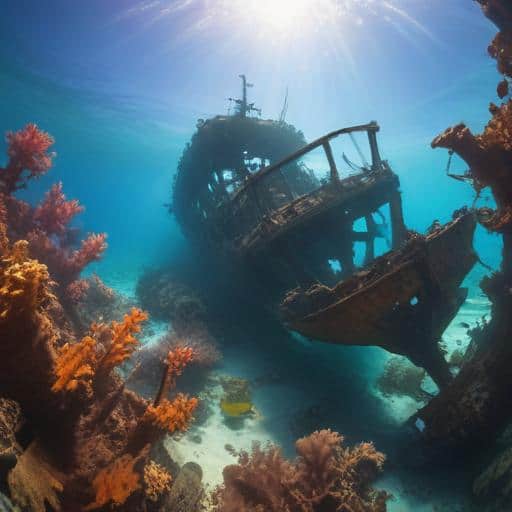
It has been confirmed that the wreckage of the HMNZS Manawanui will not be removed from its resting place off the coast of Tafitoala, Upolu, Samoa, following the ship’s sinking on October 6, 2024. The New Zealand naval vessel encountered a reef the previous evening during survey operations before it ultimately sank. In a move to boost local tourism, the Samoan government has chosen to leave the ship at its current location, promoting it as a dive site.
The HMNZS Manawanui rests at a depth of 35 meters, making it an appealing destination for diving enthusiasts. Defence Minister Judith Collins noted that the decision aligns with the Samoan government’s vision, stating, “It suits the government for that to happen; it’ll become a great part of the reef and potentially an excellent diving spot at some stage.” However, concerns remain regarding potential residual oil slicks and pollution stemming from the wreck.
The situation concerning environmental hazards has garnered support from the Samoa Conservation Society, provided that all toxic materials are adequately removed. Society president James Atherton emphasized the benefits of the wreck contributing to marine life, stating, “As long as all the oil and any other toxins are removed from the hull… it will be a good addition to reef life.”
As for the salvage operation, significant efforts have been made to remove over 320,000 liters of mixed diesel fuel from the ship, with continual monitoring of the environment yielding largely favorable assessments. Environmental tests conducted by the Scientific Research Organisation of Samoa have reported that the marine life and seawater remain clear and uncontaminated.
Despite the challenges posed by the wreck, the HMNZS Manawanui could evolve from a naval disaster into an opportunity for economic growth and enhanced environmental restoration, thereby providing a potential silver lining for the local community. The increasing interest in eco-tourism and diving experiences presents an optimistic future for Samoa’s tourism sector.
In a related development, the local fishing village of Safata has received assistance from the Embassy of China, who provided funds to support families affected by the fishing ban enacted due to the incident. As salvage efforts continue, the commitment to minimizing environmental impact and ensuring community safety remains a priority for authorities involved.
Leave a comment