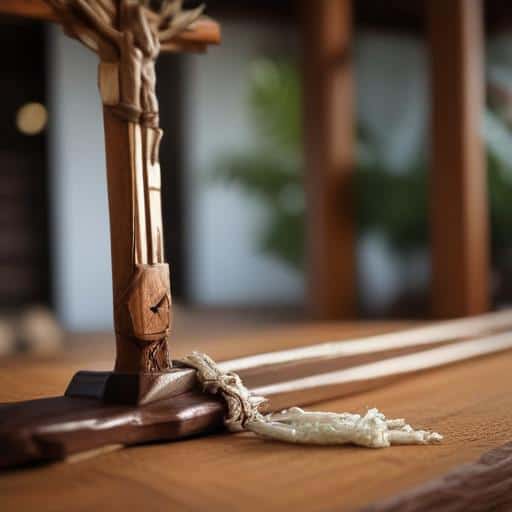
In the community of Wairiki, Taveuni, a bronze crucifix has become a significant symbol for parishioners at the Holy Cross Mission. This crucifix is believed to contain a fragment of the original cross upon which Jesus was crucified, over two thousand years ago. While the exact year it arrived in Fiji remains uncertain, its spiritual importance is deeply felt among the congregants who cherish its connection to their faith.
The legend of the True Cross suggests that after Jesus’ crucifixion, the original cross was hidden but later discovered by Empress Helena during her travels in the fourth century. As history recounts, pieces of this cross were eventually distributed throughout Christendom, with many churches claiming various fragments to validate their authority and status over the centuries. In fact, by the end of the Middle Ages, the abundance of claimed relics led reformer John Calvin to quip that enough cross material existed to fill a ship.
Historical accounts feature individuals like Jese Koroinacika, who spoke to The Sunday Times in 2018, expressing a firm belief in the relic’s healing properties. He stated that a particular cross, identified as the True Cross, was sent from overseas and has remained with the Holy Cross Parish in Wairiki, enhancing its uniqueness as the only known location in Fiji housing this sacred item. Father Milio, the head cleric, echoed these sentiments, emphasizing the special nature of the crucifix and its supposed miraculous qualities.
In addition to the crucifix, Wairiki is notable for being the site of Fiji’s first hydroelectric power plant, which was established by Father Paul Coquereau in the 1940s. It significantly contributed to the local mission’s energy supply, demonstrating a practical application of faith in enhancing community life. The energy generated by the plant was pivotal before governmental focus on energy systems, fostering development in the area.
The legacy of Father Coquereau is preserved through other community initiatives, including the creation of a soap factory during World War II, showcasing both innovation and care in response to local needs.
Beyond the crucifix, Wairiki also features other historic landmarks, including a significant 60-foot concrete cross erected in the 1960s, designed to withstand hurricane-force winds. This monumental structure serves as a testament to the community’s resilience and dedication, commemorating the church’s role in historical conflicts.
The narrative around Wairiki offers hope and illustrates how faith can create a powerful sense of community identity and purpose. As parishioners continue to gather around these historical relics and initiatives, they form a collective memory that ties together their faith, heritage, and aspirations for the future.
Leave a comment