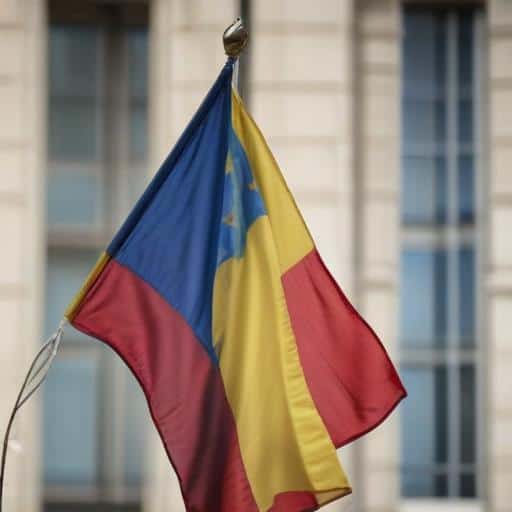
Romanians are taking part in the first round of a presidential election that may see hard-right eurosceptic George Simion rise to power, marking a significant test for the surge of nationalism reminiscent of the Trump movement within the European Union. At 38, Simion has positioned himself as a critic of both military aid to Ukraine and the EU leadership, aligning himself with the values of the “Make America Great Again” campaign.
This election comes after a previous attempt was canceled due to alleged Russian interference on behalf of far-right candidate Calin Georgescu, who has since been barred from running. Riding a wave of public frustration, Simion leads the polls with support around 30%, but needs to surpass the critical 50% threshold to avoid a run-off scheduled for May 18.
The voting day begins at 7 a.m. and concludes at 9 p.m., with exit polls to be released shortly thereafter. Early voting by Romanians abroad has seen a significantly higher turnout compared to November’s failed first round. As one voter expressed, she felt “humiliated” by the prior cancellation, reflecting a deep-rooted dissatisfaction among citizens regarding the political climate.
Political analysts warn that a victory for Simion could potentially isolate Romania, undermine private investment, and destabilize NATO’s eastern flank, especially as Ukraine continues to fight against Russian aggression. His main rivals are pro-EU centrists, including former senator Crin Antonescu and independent candidate Nicusor Dan, both of whom are advocating for support to Ukraine.
Beyond Romania, there are similar MAGA-inspired figures gaining traction in Central Europe, such as Poland’s Karol Nawrocki. If both Simion and Nawrocki win, it would reinforce a eurosceptic leadership in the region that some analysts argue poses threats to democratic values and alliances with the West.
Amidst this backdrop, it is noteworthy that Romania has taken significant steps in supporting Ukraine, including donating military equipment and facilitating grain exports through its ports, emphasizing its strategic importance in the region.
In a polarized political atmosphere, this election could symbolize a larger shift within Europe toward nationalism, prompting essential discussions about the direction of the EU and the importance of unity in facing external challenges. The outcome not only reflects Romania’s political leanings but also resonates with broader sentiments across the continent.
Leave a comment