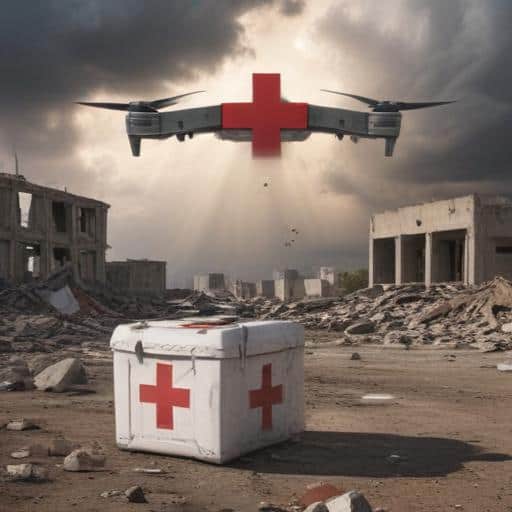
Explosions and fires devastated Port Sudan, the wartime capital, on Tuesday, as drone strikes by Sudan’s paramilitary Rapid Support Forces (RSF) marked a significant escalation in the ongoing conflict. Witnesses reported flames consuming major fuel depots and damaging essential infrastructure, including the container terminal and an electricity substation, which led to widespread power outages in the city.
These drone assaults have intensified since they began on Sunday, with the attacks posing a severe threat to humanitarian operations in an area that has been a refuge for hundreds of thousands displaced by the conflict. The city had previously enjoyed relative calm since April 2023 when civil unrest escalated between the army and the RSF.
The destruction of fuel facilities jeopardizes humanitarian aid deliveries, exacerbating Sudan’s already dire humanitarian crisis—described by the U.N. as the world’s worst. With Port Sudan serving as a critical gateway for aid, the recent attacks raise alarming concerns regarding access to essential supplies, including food and medical care.
Military sources attribute blame for the attacks to the RSF, while the group, in a statement, accused the army of targeting civilian infrastructure under the guise of a military operation. They claimed the army’s actions represent a bid to maintain power amidst accusations of war crimes.
As tensions rise, international observers continue to watch the situation closely, stressing the urgent need for dialogue and resolution to prevent further escalation. Efforts to address the humanitarian crisis are becoming increasingly critical, emphasizing the need for a coordinated response to protect vulnerable populations.
The international community’s ongoing support for humanitarian missions in Sudan offers a glimmer of hope. Although the challenges appear formidable, meaningful engagement and concerted actions could pave the way for stability and relief in the region as negotiations unfold.
Leave a comment