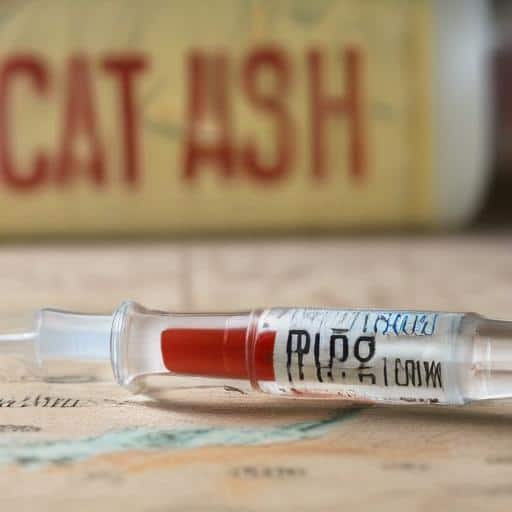
Papua New Guinea is facing a significant public health challenge with the re-emergence of the polio virus, a condition that had been eradicated in the country for 25 years until now. Health Minister Elias Kapavore announced the alarming development, stressing the serious nature of this resurgence.
Environmental testing in major urban centers, Lae and Port Moresby, has confirmed the presence of poliomyelitis. Minister Kapavore pointed out that this situation demands immediate attention and that the Department of Health is collaborating closely with international partners, including the World Health Organization (WHO) and the Australian Department of Foreign Affairs and Trade (DFAT), to monitor and contain the virus.
Polio is particularly dangerous as it can lead to severe complications, such as paralysis and respiratory issues, especially in children under five years old. Kapavore emphasized that the department is taking necessary steps, which include reviewing health data, enhancing disease surveillance, and prepping for potential public health measures to manage the outbreak effectively.
In light of the situation, the public has been urged to stay calm and rely on official health information, avoiding any unverified rumors that might cause panic. This approach is similar to recent measures taken by Samoa, where health authorities have been vigilant in addressing outbreaks of whooping cough and have undertaken extensive public health measures to protect vulnerable populations.
With strong leadership, proactive health measures, and community engagement, there is hope that Papua New Guinea can navigate this public health crisis successfully, continuing to protect its population from infectious diseases.
Leave a comment