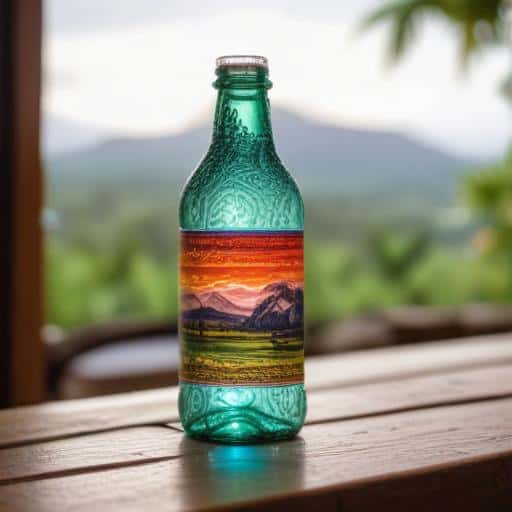
Across Fiji, a growing upcycling movement is turning discarded plastic into art, decor, and even small livelihoods, proving that everyday waste can become valuable Creative energy.
People like Daveta Liku are leading the way by transforming plastic waste into handmade decorations. From recycled materials such as plastic bottles and packaging, Liku creates flower-inspired art and other stylish pieces that brighten homes while supporting environmental goals. She promotes the idea that recycling can also bring income to families, suggesting decorative items can be sold to help stretch budgets.
Another standout is Tiko Ledua, whose Ledua’s Art Collection fuses painting, decorating, and sustainability. Ledua built her business from the ground up, crafting art and home goods from waste, and she has also developed an online presence to showcase her distinctive creations. Her journey blends motherhood with entrepreneurship, a common theme among Fiji’s upcycling artists, and has inspired plans for an upcycling centre dedicated to empowering women artisans, providing showroom space and a supportive community.
Educational and youth-focused initiatives are expanding the reach of upcycling. Moce Benu, based at the Centre for Appropriate Technology and Development in Nadave, trains students to minimize and repurpose waste plastic. By involving schools in collecting unwashed plastics and transforming them into practical items—such as bowls, platters, and building materials—Moce Benu fosters environmental awareness while delivering hands-on experience. The project aligns with regional efforts like the Circular Pacific Plastics Project, which engages both businesses and consumers to tackle soft plastic pollution and promote sustainable habits.
Concrete examples from broader programs also point to tangible momentum. In Lautoka, the Circular Pacific Plastics Project reports diverting tens of thousands of soft plastics from landfills through business-to-business and consumer channels, including recycling bins placed in supermarkets. These efforts are designed to expand to other cities, with ongoing work to improve public awareness and reduce contamination—key steps toward broader environmental impact.
The ripple effect of these efforts is clear: communities gain practical ways to reduce waste, educators have new tools for environmental lessons, and families discover opportunities to earn income by turning trash into treasure. For everyday readers and aspiring creators, the takeaway is simple—start saving everyday plastics, clean and repurpose them, and explore how small, local projects can grow into meaningful community change.
A hopeful note: Fiji’s upcycling wave demonstrates that creativity and collaboration can address environmental challenges while enriching homes and livelihoods. By turning utensils, bottles, and other waste into art, families, schools, and small businesses are proving that sustainable living can be vibrant, profitable, and empowering.
Summary: Across Fiji, turning plastic waste into art and practical items is gaining ground—from home decor and gifts to school-based projects and community centers—showing that creativity can drive environmental stewardship and local livelihoods.
Leave a comment