Peter Loy Chong, the Archbishop of the Catholic Church in Fiji, has issued a poignant warning about the dire implications of plastic pollution, framing it not merely as an environmental concern but as a significant moral failing, particularly for Pacific island nations that are already grappling with the challenges of climate change.
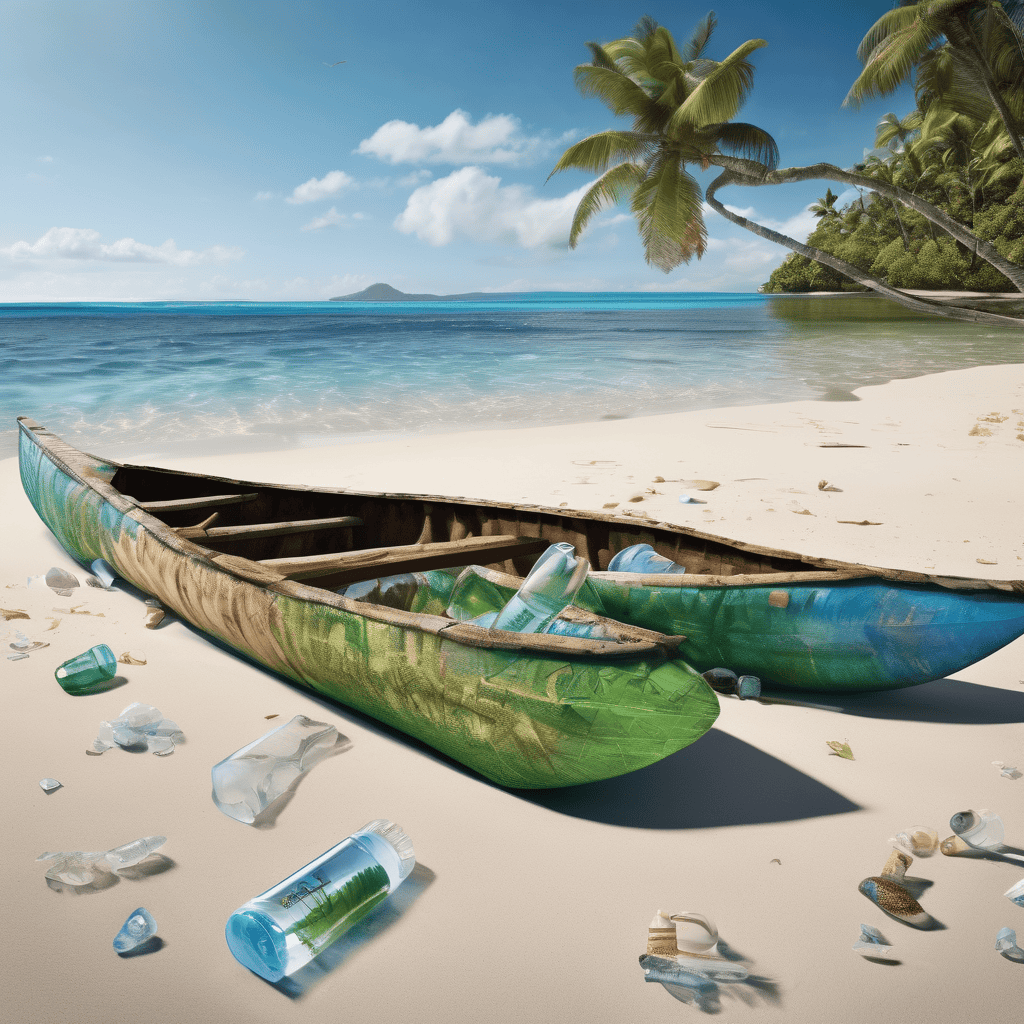
Archbishop Chong expressed his dismay at the sight of plastic bottles littering beaches and vulnerable islands, emphasizing the disturbing reality faced by nations like Kiribati and Tuvalu. These countries are among the first in the Pacific region likely to be submerged due to rising sea levels while concurrently struggling with the increasing burden of plastic waste. He noted the irony that these islands, reliant on bottled water, now find themselves confronted with the dilemma of managing plastic refuse.
The Archbishop further highlighted the alarming phenomenon of the growing “plastic island” in the ocean, where waste from households is swept into rivers and eventually contaminates marine life, thereby impacting human health through tainted fish consumption.
Acknowledging initiatives like the Pacific Recycling Foundation and St Pius X Parish, Chong emphasized that recycling should be regarded as a moral duty rather than a mere option. He called upon people of faith to reject a throwaway culture, as outlined within Catholic social teachings, and to fulfill their responsibilities in caring for the environment.
With over 98 percent of Fiji’s population identifying with a faith group, Archbishop Chong urged places of worship, including churches, temples, and mosques, to set a proactive example in environmental stewardship. He believes that faith communities should approach recycling with the same seriousness as they would moral commandments, asserting that protecting the environment is a sacred obligation to God, future generations, and the Pacific region itself.
Archbishop Chong’s call to action serves as a beacon of hope, encouraging communities to unite in their efforts to combat plastic pollution and to safeguard the precious ecosystems of the Pacific Islands.
Leave a comment