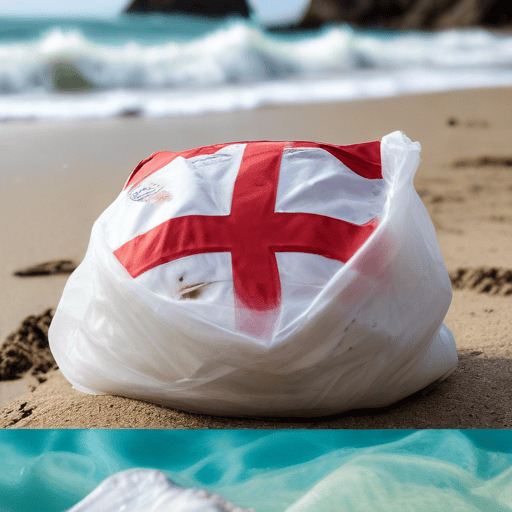
Fiji’s commitment to reducing plastic pollution has led to an impressive 97% reduction in plastic bag usage since the introduction of a plastic bag levy in 2017. However, this environmental success comes with a significant financial cost.
The revenue generated from the levy has experienced a staggering drop of 85%, resulting in an estimated loss of $19 million. According to the Fiji Revenue and Customs Service (FRCS), revenue from the levy peaked at $7.3 million in 2019 but plummeted to just $202,495 by 2023. This downward trend follows various increases in the levy and legislative changes aimed at discouraging plastic bag consumption, culminating in the repeal of the Environment and Climate Adaptation Levy (ECAL) Act in August 2022.
FRCS CEO Udit Singh noted the drastic change in plastic bag usage, which has decreased from 14 million bags to approximately 400,000 over six years. While this marks a significant environmental milestone, it underscores the challenges associated with balancing ecological initiatives and economic impact. The levy began at 10 cents per bag, increased to 20 cents in 2018, and reached 50 cents by January 2020.
Despite the decline in revenue, the policy has successfully fostered sustainable shopping habits and reduced plastic waste throughout Fiji. Mr. Singh highlighted that the nation’s focus remains on decreasing dependence on single-use plastics and promoting eco-friendly alternatives.
This situation exemplifies the often complex relationship between environmental sustainability initiatives and their financial implications. It serves as a hopeful reminder that, while challenges arise, the global push toward sustainability can lead to meaningful change and a healthier planet in the long run.
In summary, while Fiji experiences a financial decline due to its effective environmental policies, the long-term benefits of reduced plastic usage are clear, suggesting that a more sustainable future is on the horizon.
Leave a comment