Palau’s recent elevation on the diplomatic stage and a new security report have sharpened scrutiny of the growing U.S. military footprint in the island nation, with environmental and legal concerns centre-stage. President Whipps’ historic first State visit to New Zealand this month coincides with the release of the Guam-based Pacific Centre for Island Security’s Micronesia Security Outlook 2025, which warns that safeguards in U.S.-Palau agreements are failing as militarisation accelerates.
The report’s Palau chapter, authored by Jodean Remengesau — director of the Bureau of Agriculture within Palau’s Ministry of Agriculture, Fisheries and the Environment — argues that provisions in the renegotiated Compact of Free Association meant to protect Palau’s environment and sovereignty have been undermined by recent actions linked to U.S. military projects. “The U.S military had missed and fell short of fulfilling its duties and responsibilities under the compact,” Remengesau writes, according to the report.
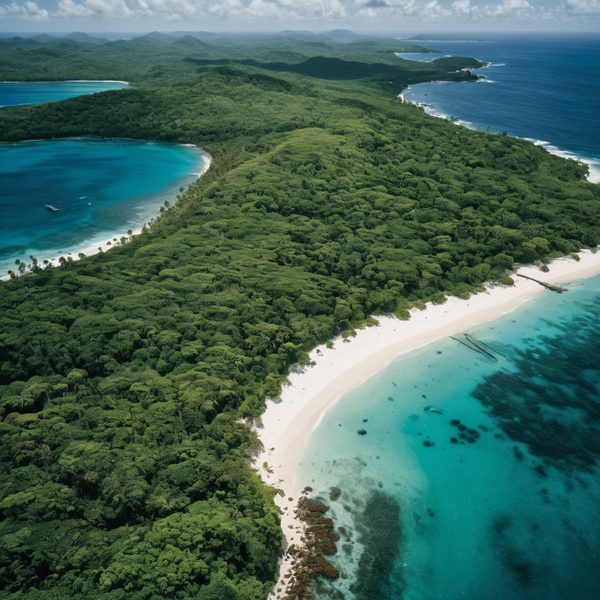
A central focus of the report is the clearing of land on Angaur state for a U.S. tactical mobile over-the-horizon radar system. Remengesau says the military proceeded without an environmental earthmoving permit and failed to conduct required community consultations under Palauan law. The report details how piles of shredded tree debris left at the site created conditions that invited infestation by the invasive coconut rhinoceros beetle, and that some of that debris was later dumped on residents’ yards as authorities sought to manage the problem.
Angaur Governor Steven Salii has already taken legal action over the issue. In 2023 Salii sued Palau’s central government, the Palau Environmental Quality Protection Board, the U.S. government and its military contractors, alleging violations of Palauan environmental laws and compact agreements after 271,807 square metres of Angaur land were cleared without an environmental impact assessment or the necessary permits. The litigation underscores local resistance and frames the environmental concerns as a matter of both law and community rights.
The report acknowledges the broader strategic forces driving activity in Palau. Under the renegotiated Compact, which entered a new payments cycle on October 1, 2023, the United States committed an US$890 million package to Palau spread over 20 years and affirmed U.S. defence obligations. With a significant share of Palau’s national budget dependent on compact funds and other foreign assistance, the report says the country is likely to see further U.S. military use of its territory — a trend many Palauans worry is eroding their nation’s autonomy and traditional way of life.
Strategic tensions between the United States and China provide the regional backdrop for the developments, and the U.S. radar project in Palau is set to become operational this year with an allocated budget of US$118 million, according to the report. While the installation was initially described as a single shoreline radar for mutual use, the report notes later developments and project scope have raised questions among Palauan officials and residents about transparency, environmental safeguards and who benefits from the infrastructure.
Palau’s diplomatic outreach, exemplified by Whipps’ State visit to New Zealand, arrives at a moment when international attention is turning to how small Pacific states navigate security partnerships that bring funding and defence guarantees alongside environmental risk and contested sovereignty. The Micronesia Security Outlook 2025 calls for stronger enforcement of compact stipulations and greater community consultation to ensure development and defence projects comply with Palauan law and environmental protections as the island nation adapts to escalating geopolitical pressure.
Leave a comment