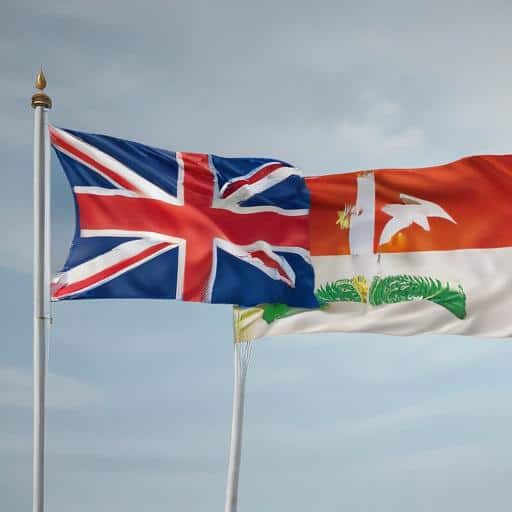
Recent developments in the Solomon Islands have led Prime Minister Jeremiah Manele to make a controversial decision by excluding 21 donor countries, including the United States and China, from the upcoming Pacific Islands Forum (PIF) meeting. This decision comes amidst mounting pressure from Beijing to ban Taiwanese officials from participating in the forum, reflecting the Solomon Islands’ diplomatic pivot toward China since recognizing it over Taiwan in 2019.
Initially, the Solomon Islands announced a ban on Taiwanese officials due to concerns voiced by China, which has become a significant partner for the island nation. This move sparked backlash from Taiwan’s allies, including Samoa and the Marshall Islands, who threatened to withdraw from the forum if Taiwan’s representation was not guaranteed. Facing this opposition, Prime Minister Manele expanded the ban to all donor countries, claiming the forum should focus solely on Pacific leaders.
Marshall Islands President Hilda Heine articulated the sentiment shared by many in the region, stating, “I believe firmly that the Forum belongs to its members, not countries that are non-members.” Such remarks underline a growing concern among Pacific leaders regarding the influence of external powers, particularly China, in the region’s politics.
The implications of this decision are profound, as Taiwan has historically been allowed to participate in PIF discussions since 1992. Leaders like Papua New Guinea’s Minister James Marape and Palau’s President Surangel Whipps Jr. have stressed the importance of unity and inclusivity within the forum, underscoring the need to maintain established dialogues that enable collaboration on pressing issues, including climate change and economic development.
As the summit in Honiara draws near, several Pacific nations are emphasizing the importance of solidarity and cooperation in maintaining the Forum’s legitimacy. The upcoming meeting presents an opportunity to reinforce democratic values and encourage open dialogue, even amidst rising geopolitical tensions.
In this dynamic context, the hope remains that Pacific leaders can navigate these challenges and affirm their commitment to inclusive practices, ensuring that all voices, including those of Taiwan, are represented in future discussions. The resilience and unity displayed by the Pacific nations in these negotiations could pave the way for a stronger collaborative framework in addressing shared challenges facing the region.
Leave a comment