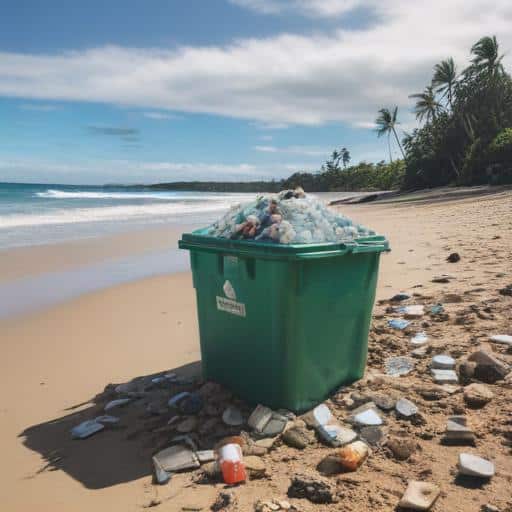
A survey conducted by the International Union for Conservation of Nature (IUCN) in 2020 revealed that plastic accounts for a significant portion of the total waste in the Pacific region, ranging between seven to 17 percent. This makes plastic the second-most prevalent type of waste after organic materials, which constitute approximately 25 to 70 percent of the waste stream.
Leitua Kuiniselani Toelupe Tago, the IUCN’s regional director, noted that an estimated 311,090 tonnes of plastic waste are generated annually within 50 kilometers of Pacific Island countries’ coastlines, with a staggering 73 percent at risk of entering marine environments. The primary causes of this risk include littering, improper dumping into inland waterways, and debris blown from uncontained disposal sites.
Ms. Tago emphasized the urgent need to address plastic consumption and disposal, which are creating various challenges for Pacific Island nations. She expressed concern that, five years later, the situation is likely to have deteriorated, further complicating the interconnected issues of climate change, biodiversity loss, and overall pollution—what is referred to as the Triple Planetary Crisis.
In her remarks, Ms. Tago highlighted the importance of taking significant action toward developing sustainable, circular solutions that confront these environmental challenges. The IUCN has been proactive in engaging on both national and global levels, particularly through discussions concerning a Global Plastics Treaty. This treaty aims to establish collaborative efforts among nations to combat plastic pollution more effectively.
The challenges posed by plastic waste management in the Pacific are compounded by the unique environmental context of the region, where conventional waste management strategies employed in developed nations have proven largely ineffective. Many Pacific nations lack the necessary infrastructure and capacity to manage the growing amounts of waste efficiently, particularly with single-use plastics and illegally dumped materials.
Nonetheless, there is potential for positive action. Increased awareness and commitment to sustainable practices offer a hopeful avenue for communities and governments in the Pacific Islands to develop innovative waste management solutions tailored to their specific circumstances. By investing in local infrastructure, promoting recycling initiatives, and fostering community engagement, there is a promising path forward in the fight against plastic pollution within these islands.
Leave a comment