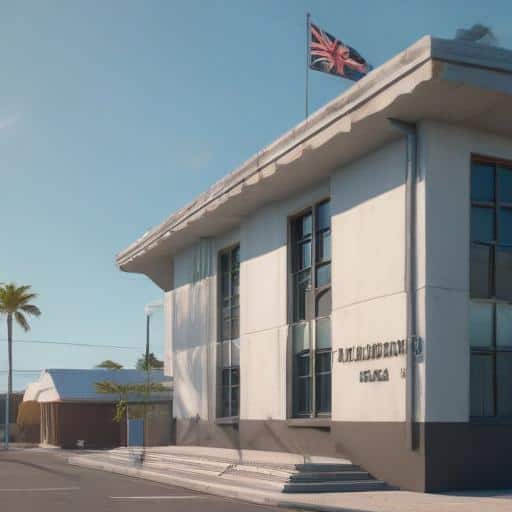
Nadi Primary School unveiled a four-classroom block on Thursday, December 6, 1990, funded through a combination of donor support and community fundraising. An anonymous donor contributed 10,000, while six charity queens raised 10,500 to help finance the project. Headteacher Satya Deo noted that the school, which opened in 1969, now serves a multiracial community of about 460 students with 13 teachers. He also stressed that government assistance for this kind of project had not been forthcoming.
The expansion comes after a dramatic rise in enrollment. When Deo took over in 1985, the school enrolled around 220 pupils; the surge in 1986-87 made more classrooms essential. In addition to its primary classes, the school operates a nearby kindergarten for toddlers. Deo praised the fundraising effort and highlighted the charity queen contest, organized with sponsorship from the kindergarten and Class One, which raised 3,578.66 for the winner. The top fundraising team was Kirti Avishna Kumar (Classes 2A and 2P) with 2,288.23, followed by Amanda Sidal, sponsored by Classes 7 and 8, with 1,538.09. Organizers also extended thanks to prize sponsors Sunflower Airlines, Plantation Island Resort, Bay Cruises (Fiji) Ltd, and South Sea Cruises for supporting the winners.
Context and broader picture
– This kind of community-led school expansion mirrors other regional efforts in Fiji, where local residents and supporters have stepped in to fund classrooms and facilities. For example, Viro Primary School in Levuka recently opened a two-classroom block funded by residents and overseas supporters, with the government promising more support in the form of furniture and learning materials worth over 15,000.
– In Nadroga/Navosa and surrounding areas, private groups have also invested in early learning and primary education, such as the Tappoo Group’s 26,000-dollar Kavanagasau Sanatan Dharm Kindergarten, which enhances early childhood education and complements primary schooling. The same region has seen ongoing donations for computer labs and other infrastructure, demonstrating a sustained pattern of philanthropic involvement in rural education.
– Other Fiji institutions have benefited from corporate contributions to extracurriculars and learning resources, including donations to support scouts’ jamborees, mathematics competitions, and library programs, underscoring a broader community commitment to improving schooling beyond government funding alone.
Summary
The Nadi Primary School project illustrates how local generosity, community events, and civic sponsorship can drive significant school infrastructure in Fiji, especially where government funding is limited. The combination of anonymous giving and community-hosted fundraisers, along with recognition of local businesses’ support, reflects a collaborative approach to strengthening education in rural areas.
Possible angles for readers
– A closer look at how donor-driven projects coordinate with school management and the Ministry of Education.
– A human-interest piece focusing on the charity queen contest and the community spirit that powers such initiatives.
– A follow-up on how the new classrooms impacted student outcomes in the years that followed.
Positive note
This story highlights resilience and unity in the Nadi community, signaling that with collective effort, rural schools can expand facilities and provide better learning environments despite funding gaps.
Leave a comment