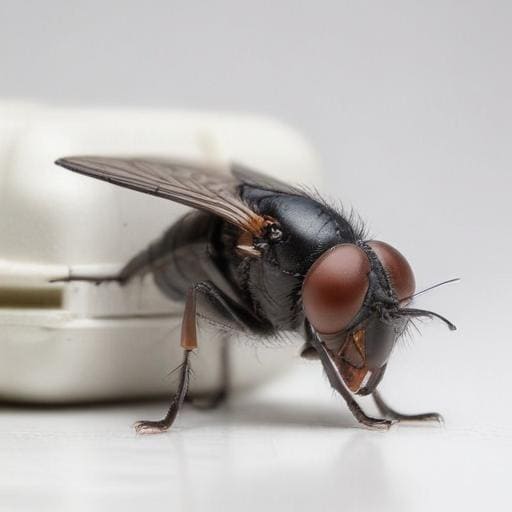
U.S. reports first travel-associated case of New World screwworm in Maryland, with public health risk described as very low
The U.S. Department of Health and Human Services announced on Sunday the first travel-associated case of New World screwworm in the United States. The patient, who had recently returned from El Salvador, was confirmed to have New World screwworm by the Centers for Disease Control and Prevention (CDC) on August 4, after an investigation led by the Maryland Department of Health.
Public health officials stressed that the immediate risk to the broader population remains very low, and there have not been any confirmed animal cases of screwworm in the United States this year.
The case comes as screwworm has moved northward from Central America and southern Mexico, prompting heightened concern among cattle ranchers, beef producers, and livestock traders about potential infestations and economic losses in the industry.
In connection with the case, the U.S. Department of Agriculture (USDA) Secretary Brooke Rollins recently traveled to Texas to announce plans to build a sterile fly facility as part of ongoing efforts to combat the pest. The USDA has previously estimated that a screwworm outbreak could inflict roughly $1.8 billion in losses in Texas, including livestock deaths, labor costs, and medication expenses.
Industry observers and household sources noted discrepancies in reports about the traveler’s origin. One executive with the Beef Alliance circulated information suggesting the case involved a traveler from Guatemala, while officials indicated El Salvador as the country of travel. Andrew G. Nixon of the Health and Human Services department did not address the discrepancy when asked.
The broader agricultural community remains alert to the threat, given screwworm’s potential impact on livestock health and farm economics. Public health authorities are continuing to monitor for any signs of spread and to coordinate with state animal health officials on testing and containment measures.
Commentary and context
– New World screwworm is a parasitic fly whose larvae feed on living flesh, making rapid detection and response crucial to protect livestock and livelihoods.
– The ongoing vigilance around border and travel-associated cases underscores the importance of cross-agency collaboration in surveillance, vector control, and rapid containment.
– While the risk to humans is described as very low in this case, authorities emphasize maintaining strict biosecurity practices on farms and continued industry readiness to address any potential outbreaks.
Summary
A Maryland traveler returning from El Salvador has been confirmed by the CDC as the first travel-associated case of New World screwworm in the United States. Public health risk is considered very low at this time, with no animal cases confirmed this year. The case has amplified industry concerns about livestock health and costs, and it follows USDA efforts to bolster control measures, including a planned sterile fly facility in Texas. Officials continue to investigate and monitor to prevent further spread.
Leave a comment