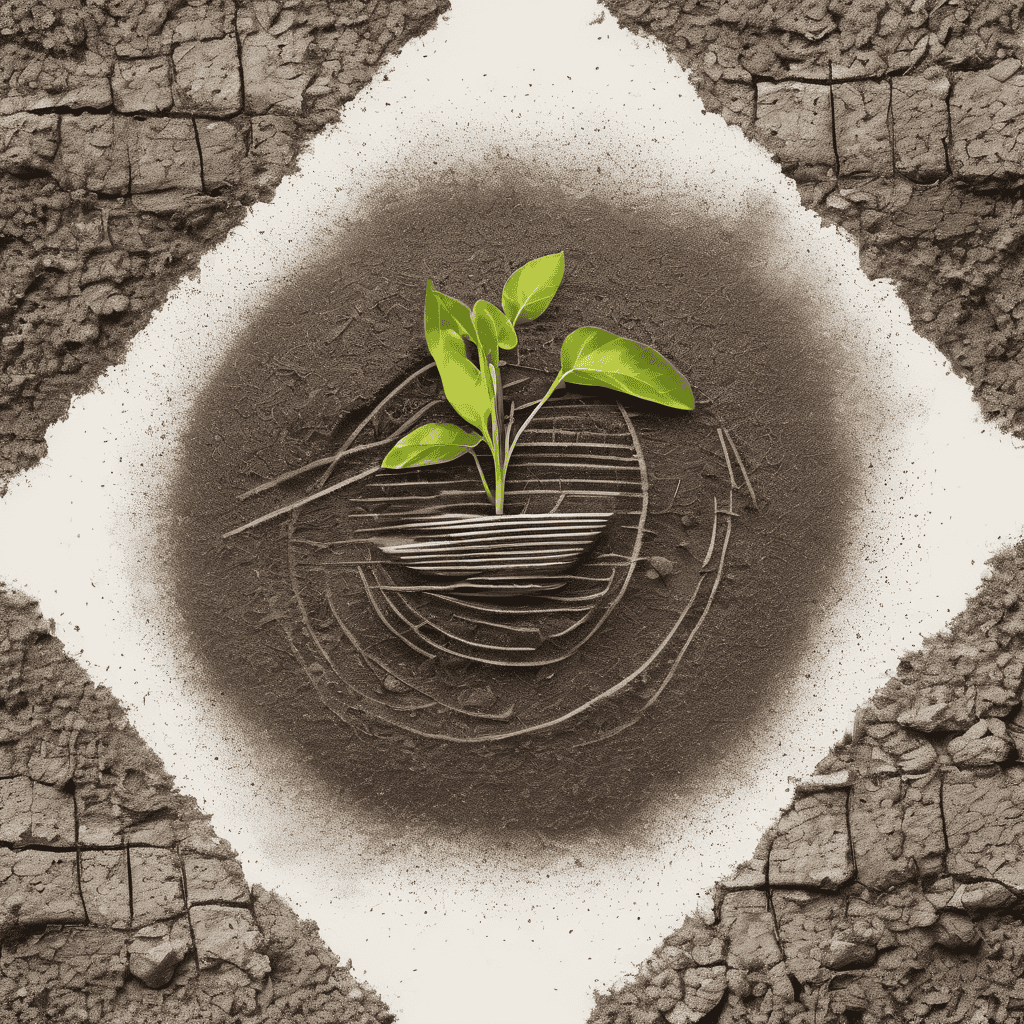
Joeli Savou, a 33-year-old farmer and advocate for agroforestry, has been deeply influenced by his upbringing and the teachings of his ancestors regarding the land. Raised with the belief that people are not merely owners of land but an intrinsic part of it, Savou understands the soil as a living library of cultural heritage and responsibility. “The land is not just a resource; it is identity, inheritance, spirituality and our responsibility,” he stated.
Currently managing Tabua Farms, Savou operates an integrated agroforestry system that prioritizes self-sufficiency over profit, merging indigenous knowledge with modern agricultural practices. His efforts are focused on enhancing the nation’s food supply, restoring degraded landscapes, and economically empowering farmers through culturally informed methods.
Growing up, Savou accompanied his grandfather in the garden, where he became fascinated with the potential of a single seed to secure a future. His experiences exposed him to the struggles of farmers and the gradual erosion of traditional farming practices due to urbanization and shifting values. He believes agriculture should transcend mere livelihood; it can be a means to restore dignity and resilience to communities.
With a master’s degree in horticulture from Massey University in New Zealand, Savou is committed to improving indigenous agricultural methods through hands-on learning. His research emphasized experiential learning, showing its positive impacts on farmer productivity and confidence. For Savou, true agricultural influence stems from practical experience rather than theoretical knowledge.
He experienced various challenges in his farming journey, including soil depletion, pest issues, and the ongoing effects of climate change. However, he effectively applied his academic training to focus on agroforestry-based soil regeneration techniques—integrating crop diversity and water management practices while strengthening community cooperation and knowledge-sharing.
Through his farming journey, Savou has learned valuable lessons: that patience is essential, nature moves in its own time, and farmers should lead by example rather than just through words. He advocates “integrated agroforestry” as a sustainable approach that connects with traditional agricultural wisdom, builds fertile soil, and reduces reliance on fertilizers.
With an eye toward the future, Savou plans to transform his farms into market- and export-ready supply chains, ensuring that local farmers reap increased benefits and that communities become stronger. He aims to cultivate partnerships with local supermarkets and international buyers, as well as establish processing facilities for value addition.
Savou envisions Tabua Farms as a model for agroforestry in the nation, aspiring to create a training and mentorship program for farmers and strengthen food security rooted in indigenous knowledge. He emphasizes core values such as servitude to the community, discipline, humility, and reverence for the land and its teachings. “Farming is not just business; it is the continuation of a lineage and a promise to future generations,” Savou remarked, highlighting the cultural significance that informs his work in agriculture.
Leave a comment