The increasing connection between climate change and human mobility calls for community-based solutions, as emphasized by Prof. Kamal Amakrane, managing director of the Global Centre for Climate Mobility. Speaking in Germany during discussions on the Climate–Peace–Security Nexus, Prof. Amakrane highlighted that while political decisions regarding climate issues are often made away from the communities most affected, the impacts of climate change are profoundly felt by these vulnerable populations.
Prof. Amakrane articulated the need to understand that “the politics is in the rooms,” but the true effects are realized on the ground. His work over the past six to eight years has concentrated on the intersection of the climate crisis and human mobility—an issue that is increasingly relevant to communities across the globe. He pointed to various examples highlighting this crisis: from melting ice in Norway impacting Indigenous lands to rising sea levels displacing residents in Jakarta.
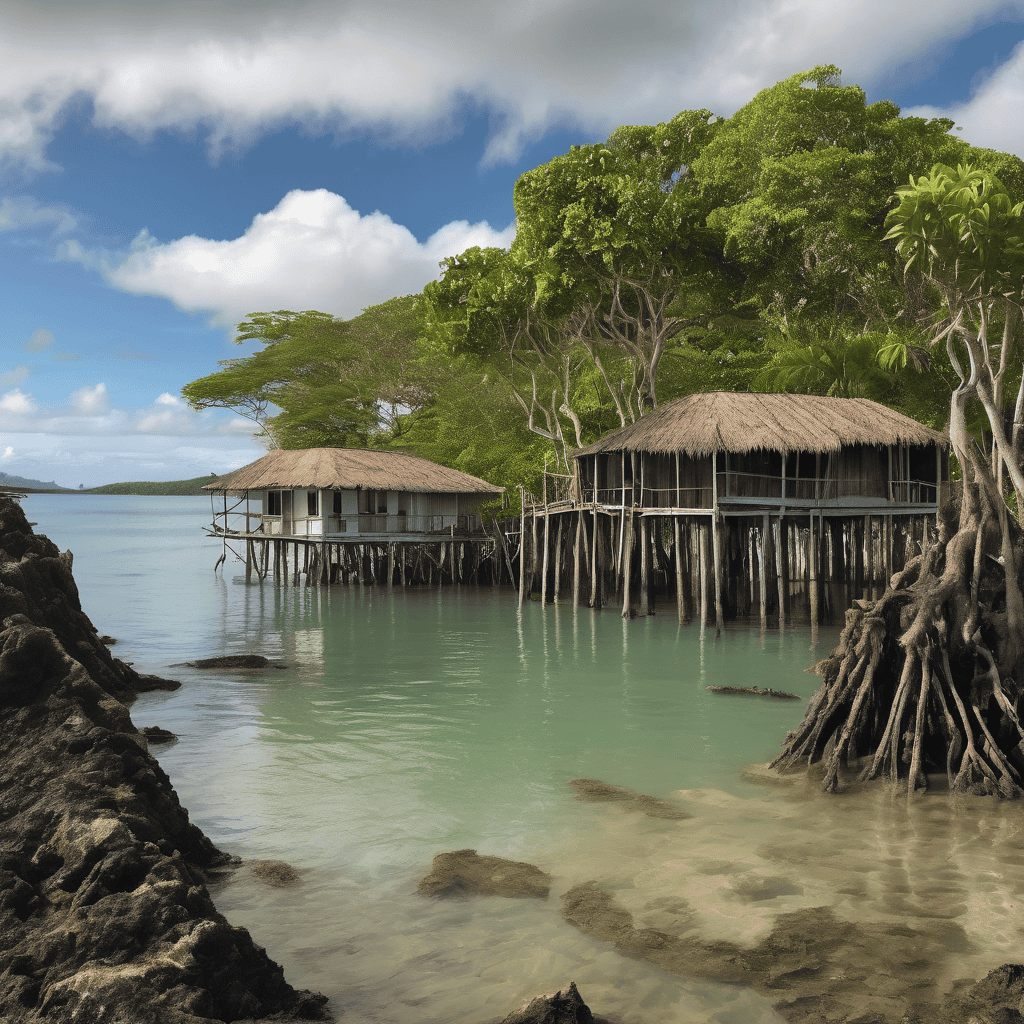
Pacific Island nations, including Fiji, are experiencing relocations from vulnerable coastal areas as communities adapt to climate pressures. “We’re all impacted by the climate crisis,” he said, pointing to the widespread nature of the issue.
Prof. Amakrane drew insights from his background in peacekeeping, likening climate negotiations to conflict mediation, where bridging differences is vital. However, he acknowledged that climate change poses a unique challenge because the crisis itself remains unyielding to negotiation. “When it comes to the climate crisis, there is one side that just does not listen to you or is deaf,” he stated.
He emphasized that the global community needs to shift its focus towards adaptation, recognizing that completely halting the climate crisis may no longer be feasible. “We have reached the conclusion that we will not be able to stop the climate crisis. Then the question becomes, will we be able to adapt to this new reality?”
Prof. Amakrane also stressed that adaptation cannot follow a single global method. Instead, he suggested that solutions must incorporate local realities, as the climate pressures faced by communities can vastly differ. For instance, the challenges experienced by communities in Niger contrast sharply with those reliant on coastal fishing for their livelihoods.
Highlighting the significant adjustments climate change necessitates, he stated, “It’s like asking somebody who has been working with computers tomorrow to work on the field.” He advocated for adaptation to be a grassroots process, emphasizing that it requires communities to take ownership. The strength of a community is key in navigating climate-induced pressures while fostering social cohesion.
Ultimately, he recognized that the relationship between individuals and their communities is crucial to effectively addressing climate change, an aspect often overshadowed in broader policy discussions. This approach underscores the importance of grassroots involvement in crafting adaptive strategies tailored to the unique needs of varied communities worldwide.
Leave a comment