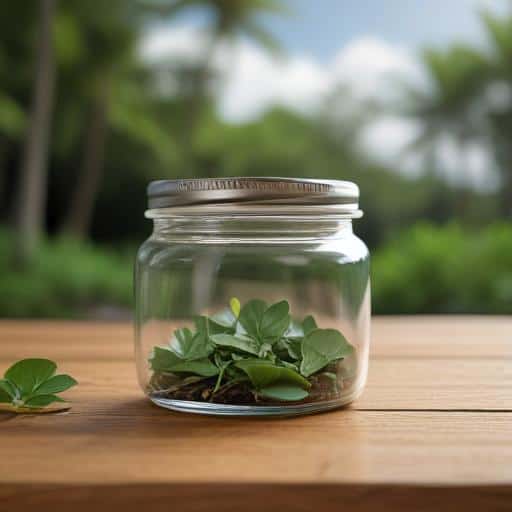
Glass jars are more than just kitchen staples. They are a simple, practical, and increasingly eco-conscious choice for storing, serving, and organizing, with well-documented health and environmental benefits. Unlike some plastic containers, glass is unlikely to leach chemicals into food, making it a safer option for acidic or hot contents. In addition, glass packaging is celebrated for its sustainability: it can be recycled endlessly without losing quality or purity, helping to conserve natural resources, cut energy use, and reduce landfill waste. Choosing products packaged in glass can also encourage broader adoption of eco-friendly practices and more mindful consumption.
Beyond storage, glass jars invite creative reuse at home. They can be repurposed in several handy ways:
1) Fruit cup: Storing leftover fruit in a glass jar helps reduce food waste, keeps fruit fresh, and makes efficient use of fridge space.
2) Drinking glass: Cleaned and repurposed as drinking glasses, jars offer stylish, rustic drinkware that can replace new sets of glasses and cut down on waste.
3) Paintbrush cup: After washing brushes, jars keep them upright and air-dried, ready for future projects; jars can also hold mascara, eyeliner, hot glue sticks, and small craft materials.
4) Toothbrush holder: A clear glass jar in the bathroom provides a simple, clutter-free storage solution that can double as a hygienic toothbrush holder.
In a broader context, these glass-recycling and reuse practices sit alongside growing environmental initiatives around the world. For example, in Fiji, efforts to curb plastic waste are gaining momentum. The FIJI Water brand has shifted toward using recycled plastic materials for a large portion of its packaging, and its foundation has invested millions in energy efficiency projects across the islands. Initiatives like Mission Pacific are expanding bottle deposit and recycling programs, including new Return & Earn centers and mobile collection efforts, with hundreds of tonnes of PET recycled in recent years. Precious lessons are also visible in local hospitality and resort sectors, where some properties are moving away from single-use plastics toward glass or other sustainable packaging solutions. For instance, a major resort group has announced plans to install on-site bottling and switch to glass containers for toiletries, underscoring a broader industry trend toward reducing plastic waste. At the same time, community-driven upcycling projects continue to inspire by turning waste into art and practical goods, demonstrating how creative reuse can support livelihoods and environmental stewardship.
Takeaways: embracing glass for storage, serviceware, and home organization aligns with global and regional efforts to reduce plastic waste and promote circular economies. It’s a practical step individuals can take today, supported by ongoing corporate and community initiatives that aim to make sustainable choices more accessible and affordable.
Summary: Glass jars offer health and environmental advantages, with broad potential for reuse at home. Paired with expanding recycling programs and innovative packaging shifts in Fiji and beyond, they symbolize a positive path toward less plastic waste and more sustainable living.
If you’d like, I can tailor this rewrite for a specific WordPress section (e.g., lifestyle, environment, or consumer tips) or adjust the tone to be more formal or more conversational. I can also add a short closing call-to-action for readers to start reusing jars at home.
Leave a comment