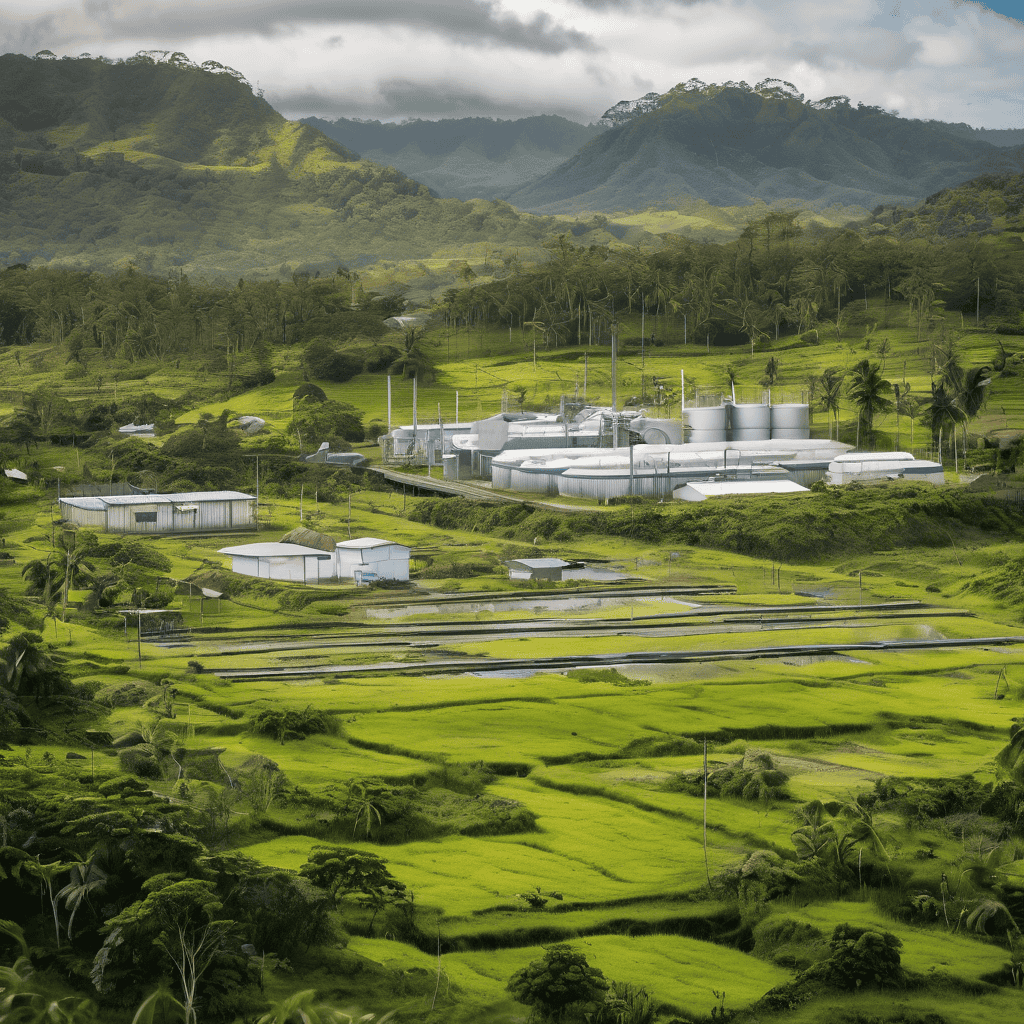
The Water Authority of Fiji (WAF) is ramping up efforts to provide clean and reliable water to those communities that have long been without access to treated supplies. Many of these underserved areas are located between the major urban centers, including inland regions such as Sigatoka and Ba, as well as Momi in Nadi, Tavua, Lautoka, and the Tailevu Corridor.
WAF Chief Executive, Seru Soderberg, emphasized that the organization’s master plans are structured to close these service gaps and ensure the water system’s sustainability for future generations. The Rural Water Supply Scheme Program is an integral part of this initiative, focusing on constructing necessary infrastructure such as dams, reservoirs, and reticulation networks to address current shortages.
“We are extending our services, planning for new treatment plants, and expanding our networks to cover the existing gaps, thereby integrating more Fijians into the treated water supply system,” Soderberg remarked. He highlighted WAF’s commitment to equalizing water access across the nation while accommodating the growing demand.
In recent years, WAF has faced challenges due to aging infrastructure and rising demands which have put a strain on water supply reliability. Initiatives such as the $40 million Viria Water Treatment Plant are underway to bolster water supply reliability and integrate a gravity-fed water system to relieve pressure on existing systems, thus enhancing resilience during adverse weather conditions.
The proactive approach adopted by WAF and government authorities is cultivating hope for a brighter future in Fiji, where clean water availability is consistent and dependable. The comprehensive efforts not only aim to mitigate current challenges but also prepare for future population growth, ultimately achieving improved quality of life for the Fijian people.
Leave a comment