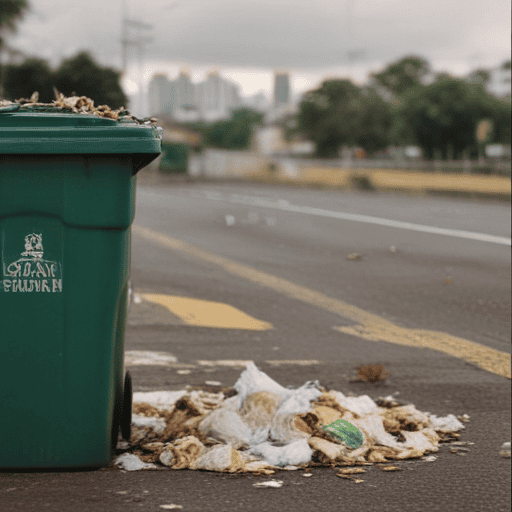
Suva, the lively capital of Fiji, is facing a pressing challenge with mounting litter levels that threaten its natural beauty and environmental integrity. A stroll along Nasese highlights a concerning array of abandoned food wrappers, plastic bottles, and various kinds of waste cluttering pathways and waterfront areas. This unsightly scene detracts from the city’s allure and poses significant risks to marine ecosystems, soil health, and air quality.
Despite the presence of rubbish bins, a considerable number of both locals and tourists show a lack of regard for proper waste disposal. This behavior underscores a broader issue related to consumer habits. The heavy reliance on single-use plastics and disposable containers compounds the littering crisis, highlighting the urgent need for reform in corporate practices alongside individual responsibility.
The Consumer Council of Fiji, along with the Ministry of Environment, is stepping up to tackle this escalating problem. Their collaborative efforts focus on sustainable solutions, incorporating public awareness initiatives, stricter regulatory measures, and community-based actions aimed at encouraging responsible consumer behavior and advocating for eco-friendly production methods.
This issue has been echoed by local leaders including Jone Marika and former Speaker Pita Nacuva, who have both expressed concerns regarding the alarming levels of negligence surrounding waste disposal. Marika pointed out that careless littering by vehicle occupants significantly undermines both public health and environmental health, calling for enhanced monitoring and educational outreach.
Educational initiatives and fostering civic pride will be vital in transforming attitudes towards littering. There is a growing consensus that collective societal changes, emphasizing personal accountability, are essential for cultivating a cleaner environment. Successful waste management practices in countries like Japan, Singapore, and Sweden serve as inspiring models, demonstrating how engaged communities can effectively maintain cleanliness and tackle littering.
Given Fiji’s reliance on tourism, addressing littering is crucial, as environmental pollution could dissuade potential visitors seeking to enjoy the pristine qualities of its beaches. By implementing proactive measures and promoting community involvement, there is optimism that Fiji can successfully combat litter challenges. Simple individual actions, such as holding onto trash until a proper bin is encountered or partaking in community clean-ups, can collectively drive meaningful improvements.
As the people of Fiji unite in embracing sustainable practices, there is hope for preserving their natural beauty for future generations. The message is clear: maintaining the cleanliness of Fiji is a shared endeavor, and the journey towards a tidier, greener future begins with awareness, responsibility, and collective action from all.
Leave a comment