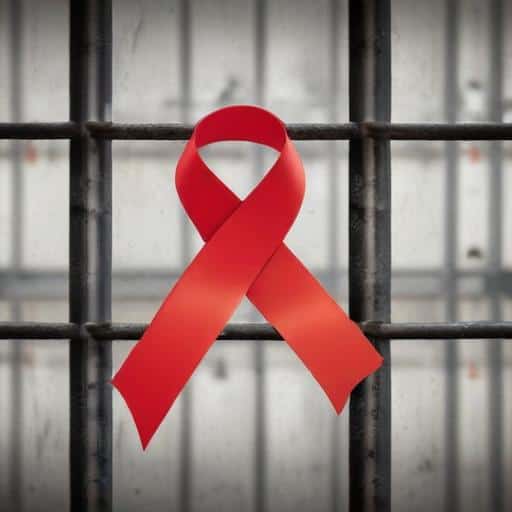
The Fiji Corrections Centre (FCS) is grappling with a significant public health crisis, as nearly 60 percent of inmates have been diagnosed with HIV. This alarming statistic was shared by Commissioner Dr. Jalesi Nakarawa, who noted that the overwhelming majority of those infected are remandees, particularly among individuals involved in drug use practices such as “bluetoothing,” which entails sharing needles.
Dr. Nakarawa expressed concerns about the challenges this situation presents not only for the inmates but also for the corrections officers who interact with them daily. He highlighted that the HIV infection rate has surged dramatically from approximately 10 to 20 percent in previous years to the current level of about 60 percent. Due to the nature of the corrections environment, where inmates frequently cycle in and out, tracking and addressing the health of this population proves difficult.
The issue is compounded by the need for confidentiality surrounding HIV status, which complicates discussions and testing within the facility. According to Dr. Nakarawa, the inmates must request HIV screening themselves, as the FCS cannot mandate testing.
This growing health crisis reflects a broader issue of drug abuse and associated behaviors that proliferate within the correctional system. In previous discussions, Dr. Nakarawa has emphasized the interconnectedness of substance abuse and the spread of HIV, particularly noting the health risks linked to needle sharing.
In response to these challenges, initiatives are underway to enhance rehabilitation programs aimed at tackling both substance abuse and health issues. The FCS has been working to collaborate with development partners to establish specialized rehabilitation facilities to address these systemic problems. By targeting the root causes of drug abuse and ensuring better health management for inmates, there is hope for improving recidivism rates and providing better reintegration strategies into society.
The situation calls for urgent action and increased awareness regarding the dual crises of drug use and HIV in correctional facilities. A proactive approach, focusing on health education and specialized care, could pave the way for more positive outcomes for inmates, emphasizing rehabilitation as a key component of the corrections strategy. In fostering a more supportive environment, the FCS aims to better manage public health risks and promote the well-being of both inmates and the community at large.
In summary, while the statistic regarding the HIV prevalence among inmates is disconcerting, it also presents an opportunity for reform and improvements in health management practices within Fiji’s correctional system. With focused efforts, there is a path toward better health outcomes and increased safety for all involved.
Leave a comment