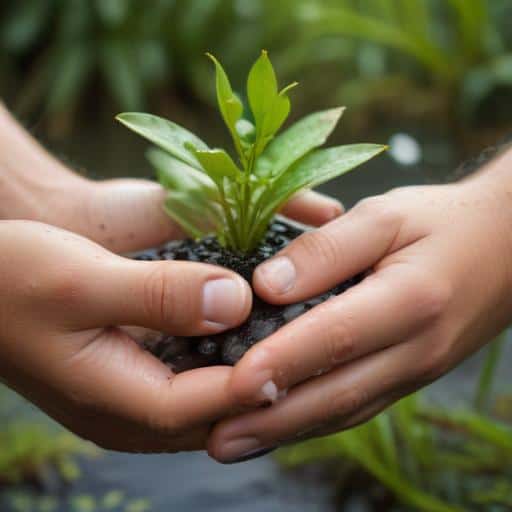
Bindiya Rashni, a prominent tropical wetland ecologist from Taveuni, Fiji, embodies the essence of environmental stewardship with her project focused on wetland conservation, which she refers to as the “Kidneys of the Earth.” Coming from modest beginnings in the Qarawalu settlement of Vuna, Bindiya has evolved into a leading voice in freshwater ecosystem advocacy.
Now pursuing her PhD in Hydrobiology at the University of the South Pacific, she has spent over ten years studying the wetlands and rivers of Fiji. Her significant research includes identifying over a million macroinvertebrates—small aquatic organisms crucial for assessing water health—across regions from Melanesia to Samoa.
Bindiya’s innovative approach to science extends beyond academic boundaries. She has created engaging tools like the “Traffic Light Bioindicator” and the “Meandering Mates Hunt” game, which empower local communities to monitor their ecosystems through ‘ethno-biomonitoring.’ This initiative emphasizes the importance of indigenous knowledge in conservation efforts and encourages community involvement in environmental protection.
In recognition of her impactful work, she was awarded the inaugural Peter Gaenssler Award this year, a testament to her dedication and excellence in her field. Her current focus is developing the Odonata Index of Fijian Wetland Integrity, aimed at establishing a national freshwater wetland assessment tool to inform policy creation and legislation that highlights water conservation’s importance.
Bindiya Rashni’s journey showcases how grassroots initiatives and academic involvement can coalesce to create meaningful change in environmental conservation. Just as other influential figures like Sunishma Singh—who enhances sustainable tourism and climate resilience—Bindiya is shaping a sustainable future for Fiji’s ecosystems, instilling hope and inspiring others to participate in environmental stewardship. Together, they exemplify the potential for progress in the fight against climate change through education and community engagement, paving the way for resilient ecological practices.
Leave a comment