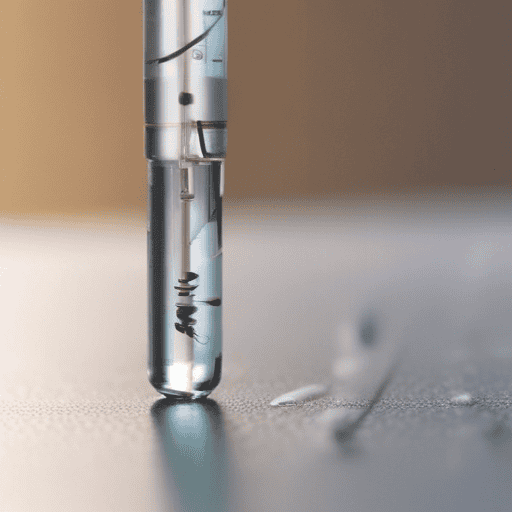
The Health Ministry of Fiji is facing increasing pressure to implement needle-syringe programs as a measure to combat the rising number of HIV cases across the nation. A report from the Ministry states that sharing needles among drug users has intensified the outbreak, with over a thousand new cases documented last year.
As health officials convene to explore preventive strategies, which include voluntary testing and harm reduction initiatives, the focus has shifted to addressing both drug use and sexual transmission of the virus. UNAIDS Pacific has pointed to the success of needle-syringe programs in countries like Australia, emphasizing how these measures have effectively curbed HIV infections by providing sterile needles to intravenous drug users, thus reducing the spread of the virus.
At a recent discussion in Suva, UNAIDS Pacific Country Director Renata Ram highlighted the need for the implementation of Pre-Exposure Prophylaxis (PrEP) in Fiji. She noted the positive feedback from community consultations regarding injectable PrEP, which has emerged as a potential option alongside oral PrEP and vaginal rings. The emphasis remains on voluntary testing, aligning with international human rights standards, as the newly appointed Chief Medical Officer, Dr. Luisa Cikamatana, revealed that intravenous drug use accounts for half of all recent HIV cases.
The urgency for action is further accentuated by the Ministry’s official declaration of an outbreak. With policy reforms on the horizon, the upcoming review of the HIV Act may unlock stronger prevention tactics aimed at addressing this critical health crisis.
Evaluating the combination of increased accessibility to treatment and proactive community engagement, there exists hope that these initiatives may lead to a significant decline in HIV cases. The collaborative efforts of various sectors, including health officials, community organizations, and the government, are likely to strengthen the national approach towards addressing the intertwined issues of drug use and HIV transmission in Fiji. Recognizing these challenges while fostering a supportive environment for prevention can indeed pave the way for a healthier future for the community.
Leave a comment