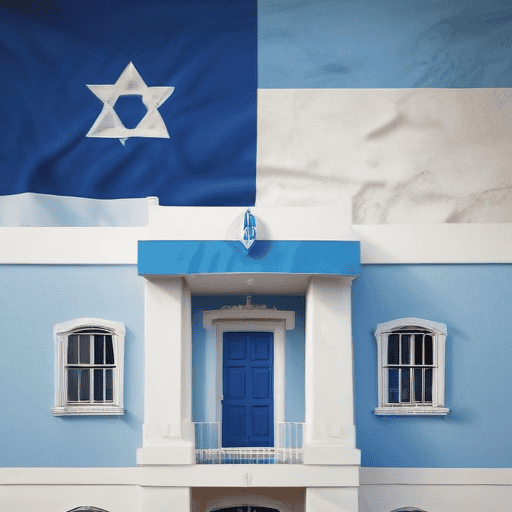
The Foreign Affairs and Expatriates Ministry of Palestine has strongly condemned the decision made by Fijian Prime Minister Sitiveni Rabuka to open an embassy in Jerusalem. The Ministry views this move as a breach of international law and a violation of United Nations resolutions regarding the legal and political status of Jerusalem, which they argue undermines the legitimate rights of the Palestinian people.
In their statement, the Palace Ministry emphasized that this decision represents an act of aggression against the Palestinian population. They assert that Fiji’s choice aligns it with what they deem the wrong side of history, potentially jeopardizing the two-state solution, which has long been viewed as a pathway to peace in the region. The Ministry has vowed to pursue all necessary diplomatic and legal measures against countries that choose to recognize Jerusalem in this capacity, insisting that the Fijian government promptly retracts its decision.
On the opposing side, Israel’s Foreign Minister, Gideon Sa’ar, congratulated Fiji on this decision, characterizing it as a commendable recognition of Jerusalem as Israel’s capital. He expressed gratitude towards Prime Minister Rabuka, who previously indicated his support for establishing an embassy in Jerusalem during discussions at the Munich Security Conference.
The decision to open the Fijian embassy in Jerusalem positions Fiji among a select group of nations—including the United States, Guatemala, Honduras, Kosovo, Papua New Guinea, and Paraguay—that have taken similar steps. Notably, many other countries still maintain their embassies in Tel Aviv, reflecting divided international perspectives on the issue.
Fiji’s exchange with Israel highlights not only military and diplomatic avenues but also possible cooperation in various sectors, including agriculture and security. Discussions regarding assistance from Israel in addressing challenges such as drug trafficking have been significant, reinforcing the potential for collaborative efforts in these spaces.
While tensions may arise regarding diplomatic decisions, there exists a possibility for constructive dialogue aimed at peace, as countries like Fiji seek to navigate their relationships on the global stage. This move may have implications for regional dynamics, and as such, the situation remains under close scrutiny.
Overall, Fiji’s decision to enhance its diplomatic engagement with Israel showcases their commitment to establishing a broader international presence while reflecting the complex nature of relations in a contentious geopolitical landscape. As nations balance their interests, positive collaborations could emerge, fostering dialogue that leads to more comprehensive solutions in the region.
Leave a comment