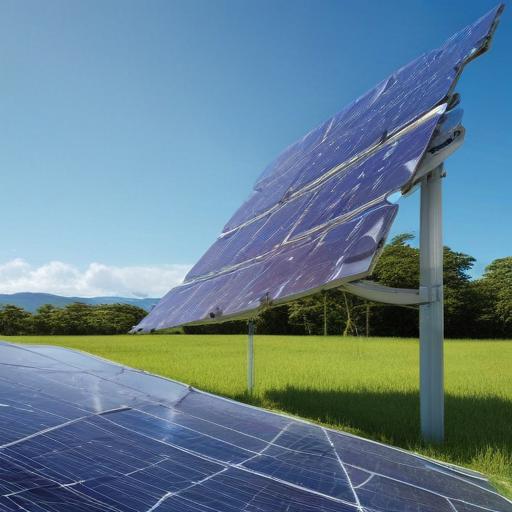
Energy Fiji Limited (EFL) has unveiled an ambitious plan to enhance solar energy generation in Fiji, with a proposed capital expenditure of $200 million over the next four years. EFL’s CEO, Fatiaki Gibson, announced these plans during a presentation on Energy Security and Resilience at the 20th Asia Clean Energy Forum in Manila, Philippines. This initiative is part of a larger $2 billion investment program over the next four to five years aimed at increasing renewable energy capacity while significantly reducing reliance on fossil fuels.
Gibson indicated that EFL aims to generate an additional 124 gigawatt hours from renewable sources, while decreasing fossil fuel dependence by approximately 199 gigawatt hours. In collaboration with the Asian Development Bank (ADB), EFL is following a roadmap that includes the development of at least 165 megawatts of solar energy supported by battery energy storage systems. EFL is also seeking partnerships with independent power producers (IPPs) to facilitate this rollout, ideally allowing them to cover 60-70% of the investment needed.
As part of its solar initiatives, EFL is working on several projects, including a 10MW solar power plant in Seaqaqa, Macuata, scheduled for completion by 2027, and a 4MW facility in Bureta, Ovalau, expected to be operational by late next year. Additionally, a recently commissioned 1MW plant in Mua, Taveuni, has already achieved a 100% clean energy output.
Alongside solar developments, EFL is also preparing to initiate two hydro-projects which will add approximately 48 megawatts of additional capacity, further enhancing the renewable energy landscape in Fiji. These efforts reflect a strong commitment to transitioning to a sustainable and resilient energy future, which is especially crucial given the rising energy demands in the region.
The future of Fiji’s energy sector looks promising as EFL’s plans align with both local and global sustainability goals, paving the way for a greener energy transition that minimizes environmental impact while ensuring energy security for the island nation.
Leave a comment