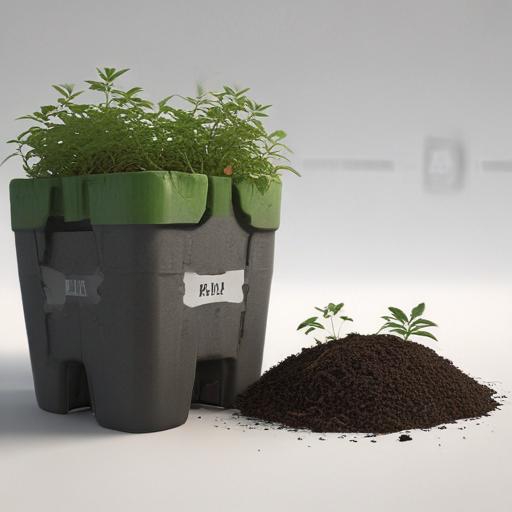
Fiji’s Ministry of Agriculture is piloting a waste-to-resource push, aiming to slash post-harvest losses and kitchen scraps by turning them into valuable inputs such as livestock feed and soil enhancers. The initiative targets waste streams from homes, restaurants, hotels, and municipal markets, with the goal of creating tangible benefits for local farmers.
Agriculture Minister Tomasi Tunabuna said the program would convert losses into gains through technologies that help transform discarded food into feed or soil-improving products. He stressed the plan includes importing technologies that will help maximize the use of wastages from production to kitchens. The ministry welcomed the funding allocated to bring these technologies to farming communities.
Deputy Prime Minister and Finance Minister Professor Biman Prasad reinforced that investing in agriculture is about growth and smoother operations for the sector. The Ministry is pursuing a holistic approach that aims to reduce environmental harm, protect biodiversity, and open up new opportunities for farmers and businesses alike.
This waste-to-value strategy sits alongside broader reforms already shaping Fiji’s agricultural landscape. Recent developments have highlighted gains such as significant import savings and rising exports in related sectors. For instance, Fiji has reported a roughly $17 million saving in import costs by trimming fresh and chilled goods imports, accompanied by a 16 percent increase in the export of cold products to international markets. Officials note that such progress comes from government initiatives as well as private-sector partnerships that support farmers with resources, training, and market access.
The Farm to Fork program features prominently in these discussions, emphasizing local sourcing to reduce carbon footprints and boost the domestic economy. By strengthening links between agriculture and tourism, the program is helping to promote sustainable practices that benefit communities and the environment, while also aiming to improve food and nutrition security through more diverse and resilient crops.
Industry voices have stressed the importance of inclusive growth—empowering all farmers and stakeholders, regardless of gender, age, or background—to participate in sector development. These efforts are supported by continued emphasis on increasing food production for domestic needs, alongside expanding opportunities for value-added farming and better market access.
What to watch for
– Technology partners: The plan calls for importing technologies to transform waste into usable products. Look for announcements on pilot sites and potential collaboration with local agritech firms.
– Metrics of success: Key indicators will likely include reductions in post-harvest losses, volumes of feed and soil amendments produced, and uptake by local farms.
– Links to existing programs: Expect further integration with Farm to Fork and other sustainability initiatives to maximize impact on both the economy and the environment.
– Timeline and rollout: Observers will want clear timelines for pilot projects and scale-up plans, along with budgetary milestones.
Overall, the announced shift to turn waste into resource signals a hopeful path for Fiji’s agricultural sector, aligning waste reduction with export growth, food security, and sustainable development. The initiative complements ongoing efforts to strengthen supply chains, improve market access, and invest in technology and training for farmers.
Summary: Fiji is pursuing a waste-to-resource program to convert post-harvest losses and kitchen scraps into livestock feed and soil enhancers, backed by funding and tech imports. This effort complements gains in import savings, rising exports, and programs like Farm to Fork, aiming to boost local farming, sustainability, and food security.
Leave a comment