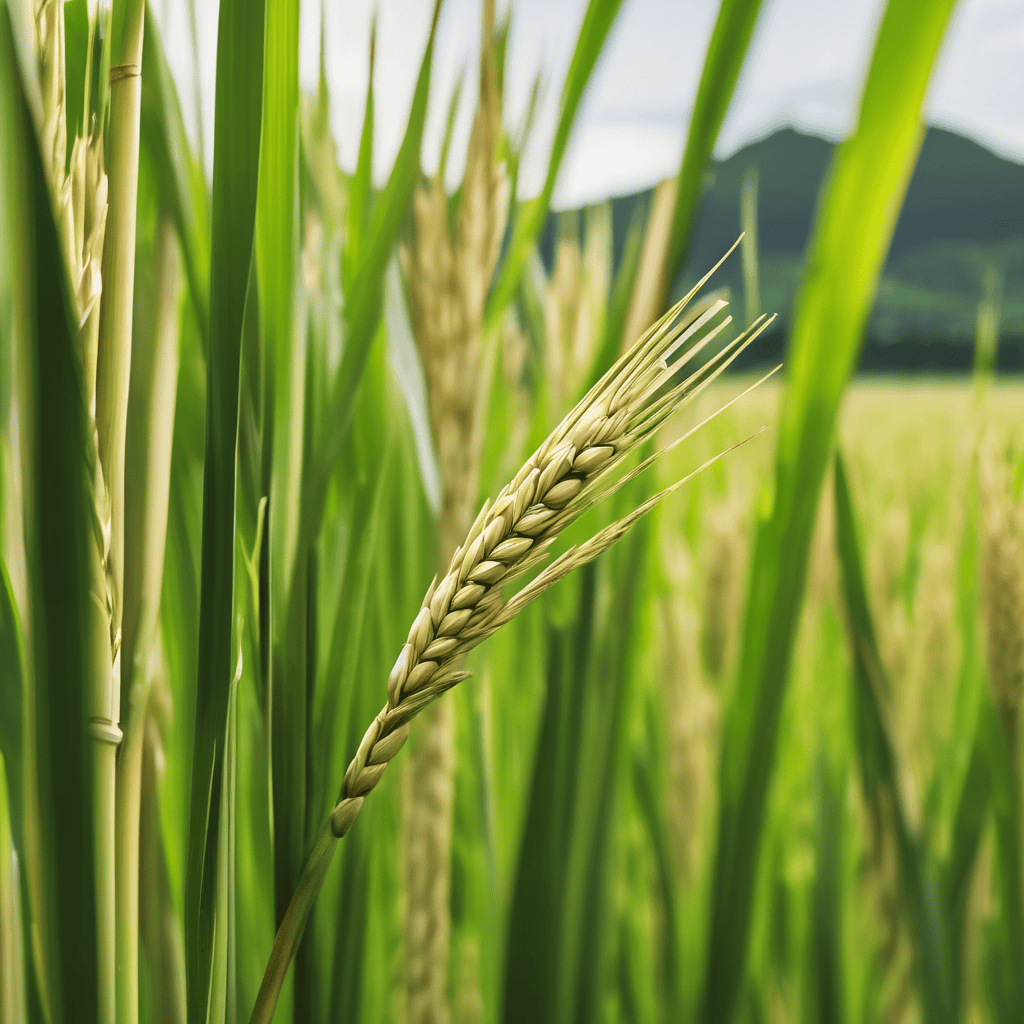
Despite investing over $50 million in rice imports last year, Fiji continues to rely heavily on international sources to meet its rice demand. President Ratu Naiqama Lalabalavu has urged both the Ministry of Agriculture and Fiji Rice Farmers Limited to enhance support for local farmers and move towards a more self-sufficient rice sector. Speaking at the Rice Farmers Awards in Dreketi, President Lalabalavu stressed the importance of increasing domestic rice production, which currently cannot satisfy national demand.
The President drew attention to Thailand’s success in agriculture, particularly in rice and cassava, as a model for Fiji to emulate. He advocated for a collaborative approach involving the government, the agricultural industry, and farmers to bolster local production capabilities.
The Fijian government has allocated $115.3 million to agriculture in the 2025-2026 budget, marking a $14 million increase from the previous year. Of this, $2.7 million is specifically earmarked for rice farming, irrigation, and research initiatives.
Fiji Rice Limited has made notable strides, increasing its supply from 1,301 tonnes in 2024 to 1,654 tonnes this year. This improvement is attributed to infrastructure enhancements, such as drainage projects and the establishment of the Nailaga Rice Mill. Fiji Rice Limited has also introduced $150,000 in planting grants for 182 farmers to encourage more production.
In a bid to strengthen the rice industry, President Lalabalavu called for increased investment in rice milling and storage infrastructure and emphasized attracting more women and youth to farming. Currently, only 38 out of 672 registered rice farmers in Fiji are women, highlighting a significant opportunity for growth and diversity in the sector.
The President reminded farmers of the pivotal role they play in sustaining the nation and encouraged stakeholders to invest in innovations that could unlock the sector’s full potential. The ongoing efforts to improve local production are coupled with initiatives to reduce the burden of Fiji’s rice import cost, which currently spans between $51 million and $60 million annually, achieving just 20% self-sufficiency.
With supportive government policies, increased funding, and collaboration across sectors, Fiji aims to reduce its reliance on imported rice. These efforts not only serve to strengthen the local economy but also ensure food security and empower the agricultural community. Through continuous dedication and strategic investments, Fiji is cultivating a future where its agricultural sector can flourish and meet national needs sustainably.
Leave a comment