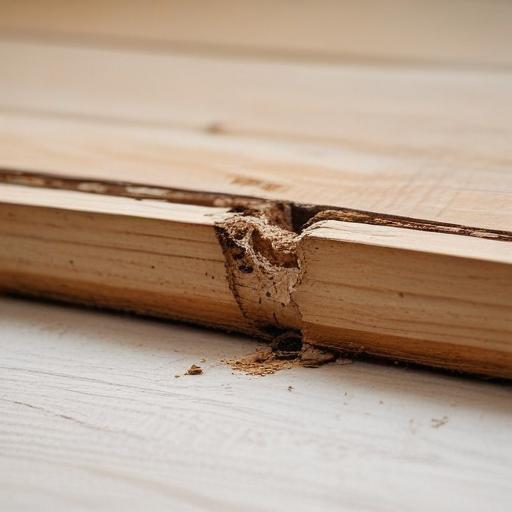
The Fijian government has officially issued the Biosecurity (Infested Controlled Areas) Order 2025, targeting key regions including Ba, Labasa, Lautoka, and Nadi, as part of ongoing efforts to manage the Asian Subterranean Termite infestations. This order, authorized by Prime Minister Sitiveni Rabuka under section 70(1) of the Biosecurity Act 2008, explicitly prohibits the movement of any materials harboring these pests.
This restriction encompasses a wide variety of items, such as nests, soil, potted plants, timber, logs, wooden furniture, live plants, and harvested crops. Such measures are crucial as the Asian Subterranean Termite is known to cause significant damage to wooden structures and live plants, leading to serious economic impacts for local communities.
Furthermore, this regulatory context aligns with previous declarations made by the government, particularly concerning areas like Nakasi and Davuilevu, which have also been classified as biosecurity emergency zones due to similar infestations. Earlier initiatives involved strict measures prohibiting the transport of any stage of the termite, including eggs, without the explicit permission from the Biosecurity Authority of Fiji.
As part of a broader strategy to combat these infestations, the government’s termite baiting program, introduced to assist low-income households, also shows its commitment to protecting homes in the affected areas. This initiative provides funding for pest management services, particularly targeting vulnerable communities and aiming to reduce the threat from these destructive pests.
The government’s proactive measures reflect a hopeful outlook for residents dealing with the repercussions of termite damage, as these efforts may lead to improved living conditions and more resilient communities in the future.
Leave a comment