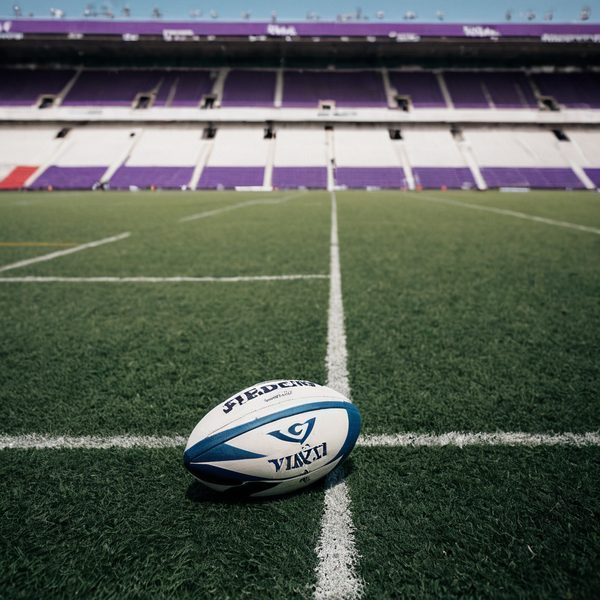
Fiji’s men’s sevens team must quickly regroup after a fifth-place finish in Hong Kong as it heads to the penultimate round of the circuit, the Valladolid 7s at Estadio Jose Zorrilla. Drawn in Pool C with hosts Spain, France and the United States, the Blitz will need to address persistent discipline and fitness concerns if they are to salvage a successful end to the season.
The warning signs were clear in Hong Kong, where Fiji fell 24-17 to Argentina in a result that underscored lingering defensive lapses and poor decision-making at crucial moments. South Africa eventually lifted the trophy, beating Argentina 35-7 in the final after an unpredictable week in which Spain had stunned the Blitzboks 31-12 in pool play and South Africa returned the favour by dominating Argentina 38-0 in another pool fixture. Argentina’s run to the final despite earlier setbacks is a reminder that pool results can be deceptive and that momentum — and mental resilience — matter as much as form.
In a letter to the editor, Rajnesh Ishwar Lingam of Nadawa put the blunt diagnosis: Fiji’s ill-discipline must be addressed, fitness levels remain questionable, and some senior players’ performances raise selection questions. Those concerns mirror what was visible on the pitch — missed tackles, penalties conceded at vital stages and an inability to sustain intensity across halves. Against top opposition in Spain, such weaknesses invite heavy punishment and threaten Fiji’s prospects not only in Valladolid but in the overall series standings.
The immediate priorities are practical. Coaching staff must sharpen defensive systems and tackle technique, tighten breakdown discipline to avoid easy turnovers and penalties, and ensure conditioning work replicates the repeated high-intensity efforts demanded by sevens. Selection policy should favour players who demonstrate consistent fitness, defensive accountability and the hunger to play for each other — the very qualities that stood out for South Africa in Hong Kong, where cohesion, relentless work rate and a protective attitude toward the tryline proved decisive.
Beyond short-term fixes, the performance gap points to broader structural needs. Reinvigorating the domestic pathway and community clubs — the kind of grassroots resurgence seen in stories of clubs returning to the field — will be essential to supply technically sound, physically prepared talent. Investment in conditioning coaches, specialist defense trainers and sports science support will pay dividends if the national setup wants to reclaim the level of dominance Fiji has enjoyed in sevens in previous eras.
Valladolid represents more than a single tournament; it is a measuring stick for whether Fiji can respond to criticism and adapt under pressure. The Pool C draw is tough, and with Spain’s recent form and France and the USA capable of upsets, there is little margin for error. If Fiji’s leadership acts decisively on discipline, fitness and selection, the team can still turn this stretch into a platform for recovery. If not, the nation’s sevens revival will remain a hope rather than a reality.
Leave a comment