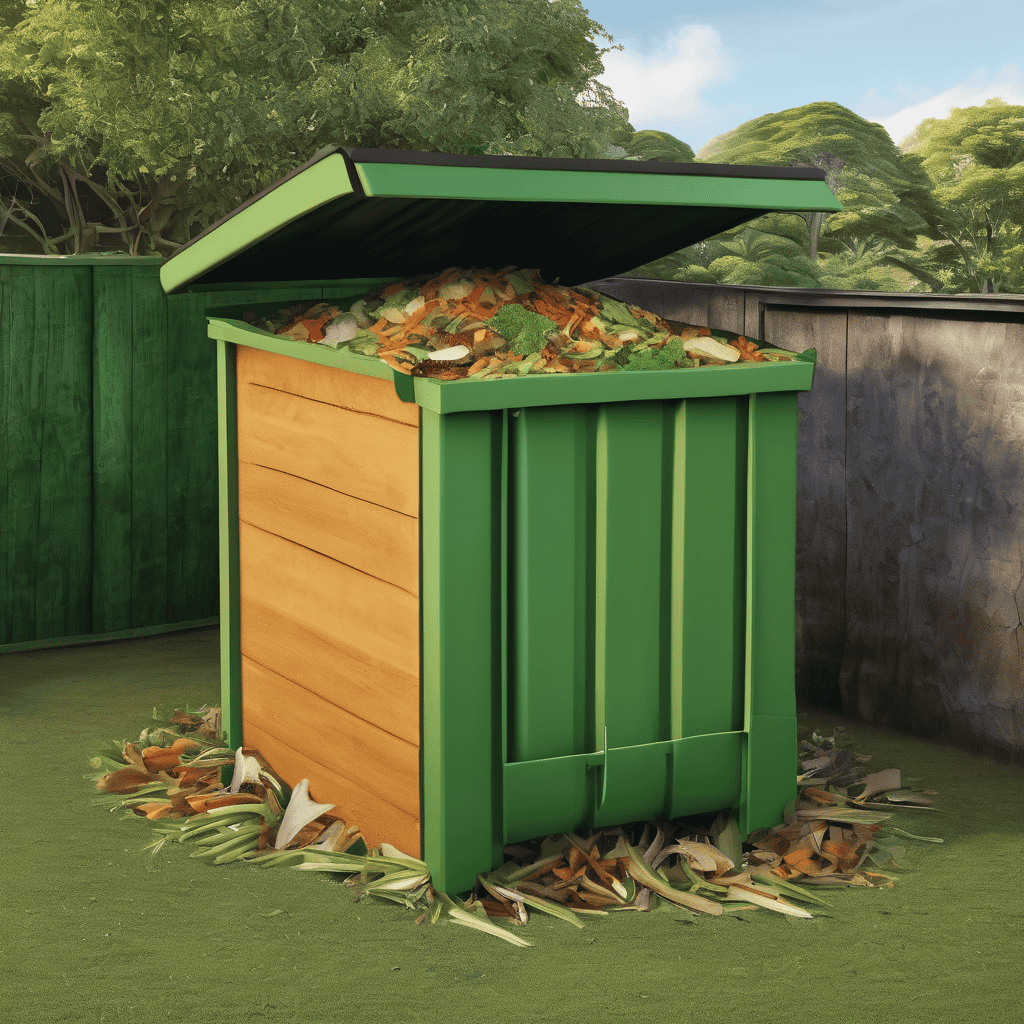
In Fiji, a new school-based composting initiative named “From Waste to Climate Action: Scaling Sustainable Composting in Fijian Schools” has been launched, signaling a promising shift in environmental education and waste management practices across the country. Spearheaded by the Ministry of Education in collaboration with the Pacific Recycling Foundation, Recycle Organics, and the Canadian Fund for Local Initiatives, the program kicks off at Nadi Sangam Primary School and aims to extend its reach to nine other schools nationwide.
Minister for Education, Aseri Radrodro, emphasizes that the project’s central goal is to cultivate new mindsets among students. By teaching the value inherent in every piece of organic waste—like peels, scraps, and leaves—the initiative seeks to instill a broader understanding of sustainability. Radrodro highlights that the composting process can help reduce greenhouse gas emissions while replenishing the soil, promoting a cycle of life that is harmonious with nature.
This educational program resonates with traditional Fijian values, which place a strong emphasis on respecting the land and understanding resource cycles. Radrodro articulates a vision where Fijians, as people of the land and sea, can see the vital role composting plays in sustaining village gardens and ecosystems. The initiative looks to enhance this cycle in both schools and communities through practical education and hands-on experience.
A key component of the program involves the Pacific Recycling Foundation’s support, providing schools with composting bins and necessary materials to establish composting centers. Training sessions will also be conducted to equip school leaders and students with the skills needed to manage composting efforts effectively.
This school-based initiative adds to a range of similar sustainable efforts occurring across Fiji. Recently, village-focused composting projects and urban waste management strategies such as the “I Recycle” program have been launched, driven by partnerships with various government bodies and international organizations. These programs collectively aim to foster a culture of environmental stewardship, emphasizing the importance of reducing landfill waste and mitigating methane emissions.
By incorporating composting into school curriculums, the initiative hopes to lay a foundation for future generations who are informed and motivated to engage in sustainable practices. As young people learn the value of recycling and composting, the broader goal is to cultivate a nation of environmentally conscious individuals who can lead Fiji toward a sustainable and resilient future. With growing community involvement and an emphasis on education, Fiji’s commitment to reducing waste and protecting the environment is a hopeful endeavor that benefits both the present and future generations.
Leave a comment