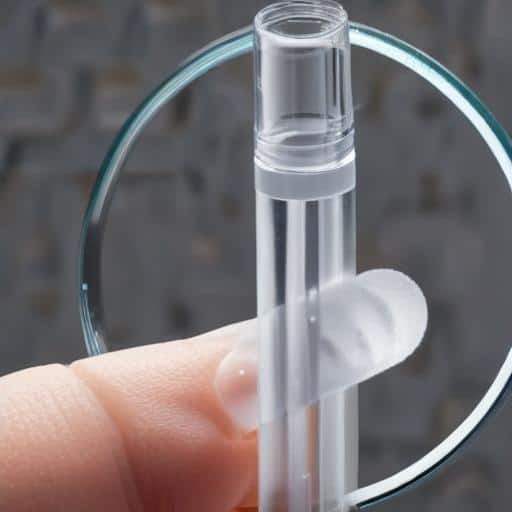
Fiji expands cervical cancer screening with self-swab HPV tests and same-day treatment rollout
A new HPV self-swab testing method is accelerating cervical cancer detection and enabling on-the-spot treatment across Fiji, making it easier for women to access care on the same day as screening. Health Ministry senior doctor Rachel Devi said the approach is part of a nationwide effort to reduce deaths from cervical cancer, a leading cause of death among women in Fiji.
Knowing one’s cervical cancer status is crucial, Devi explained, because understanding the result helps determine risk and the steps needed to prevent progression. In the past, screening was limited by the country’s reliance on a single cytology machine at Colonial War Memorial Hospital in Suva, which caused long wait times and restricted access for many women outside the capital.
That constraint is being overcome with the introduction of HPV self-swab testing and a “test and treat” system, which together improve both accessibility and efficiency. Women can now take their own vaginal swabs, which are tested on-site, with results available within an hour. If HPV is detected, treatment can begin immediately. Devi highlighted that this capacity to start treatment on the spot is not limited to Suva; the approach is being rolled out in multiple locations and has already begun in Fiji’s Northern Division, with a plan to expand step by step.
Cervical cancer is one of the few cancers that can be prevented through vaccination, regular screening and early treatment, Devi noted, underscoring the importance of keeping vaccination up to date and ensuring women participate in screening programs.
The broader effort builds on recent pilots and international support. In pilot screening across districts including Levuka and Galoa, more than 800 women were screened, with roughly 16 percent testing positive for HPV. The pilot, funded by UNFPA, also contributed to policy developments such as Fiji’s Cervical Cancer Elimination Policy for 2025–2030 and the expansion of community-based screening and treatment. The UNFPA-supported program also envisions providing necessary consumables and equipment to support screening and treatment in the Northern Division. In line with these initiatives, women aged 30 to 59 are participating in self-collection testing, and the program emphasizes reducing barriers for women who face financial, geographical or social obstacles to healthcare access.
With ongoing health education and outreach, Fiji aims to destigmatize testing and promote early detection, contributing to improved outcomes for women and a reduction in late-stage cancer diagnoses. The effort aligns with broader campaigns to strengthen women’s health services and cancer screening, including collaborations with the Fiji Cancer Society and government agencies to normalize regular screenings.
Additional context and insights
– Pilot results and funding: Pilot screening in Levuka and Galoa screened 853 women with a 16% HPV positivity rate, highlighting the need for scalable screening and immediate treatment options.
– Policy and support: The Cervical Cancer Elimination Policy for 2025–2030 and UNFPA support are guiding expanded screening, vaccination, and treatment services.
– Age groups and methods: Self-collection methods are being used for suitable age groups (notably 30–59) to improve accessibility and participation.
– Regional rollout: The Northern Division is the current focus for expansion, with broader nationwide rollout planned.
– Practical considerations: Success will depend on training, supply chains for test kits and treatment equipment, privacy during self-swab collection, and ensuring patients complete the treatment pathway.
What this means
– Positive impact on accessibility: Self-swab testing and on-site treatment reduce the time between screening and care, especially for rural and remote communities.
– Potential to lower mortality: Rapid detection and immediate treatment can prevent progression and improve survival rates.
– Ongoing challenges: Sustained funding, consistent supply of screening and treatment resources, and ongoing community engagement will be key to long-term success.
Overall, the expansion of HPV self-swab testing with rapid on-site results and immediate treatment represents a hopeful and practical approach to reducing cervical cancer in Fiji, with strong backing from international partners and national policy.
Leave a comment