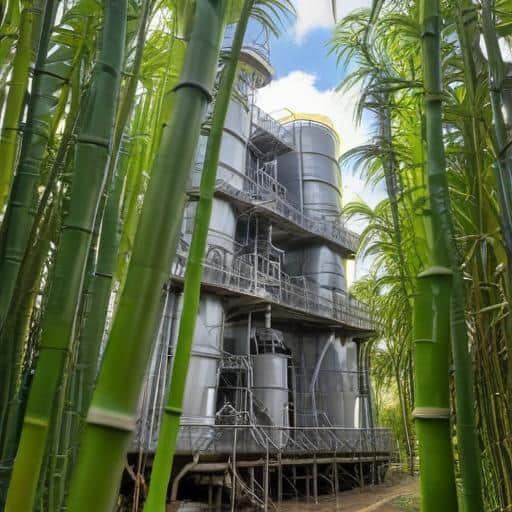
Fiji is laying the groundwork for a major upgrade to its sugar sector with a plan to build a new, state-of-the-art mill equipped with energy-efficient technology. The move is part of a broader push to cut production costs, boost sugar recovery, and diversify outputs into ethanol, electricity cogeneration, and bio-fertilizers. The drive was highlighted as Fiji’s sugar team, led by Minister for Multi-Ethnic Affairs and Sugar Industry Charan Jeath Singh, held talks with leading global mill builders during his visit to the Centennial Congress of the International Society of Sugar Cane Technologists in Cali. Permanent Secretary Dr. Vinesh Kumar accompanied him as discussions with firms Uttam Group (India), ULKA Industries, and Five Group took place, all of which are recognized for upgrading mills across Asia, Africa, and Latin America.
The government says the modernization effort is central to reviving Fiji’s sugar industry, restoring confidence in the sector, creating rural jobs, and strengthening export earnings by adopting global best practices. Singh emphasized that introducing a new, high-tech mill is a strategic step to raise efficiency, lower operating costs, and promote sustainability, with global industry partners playing a critical role in informing the decision.
This initiative sits within Fiji’s Sugar Industry Modernization Program, which aims to re-energize the sector and secure its future by aligning with international standards and practices. The program seeks to remedy long-standing challenges from aging infrastructure to inconsistent cane supply, while pushing the industry toward higher-value outputs and more resilient farming communities.
While concrete site and design decisions are still being worked out, the plan resonates with earlier discussions about potentially consolidating milling operations or establishing a single, modern facility to serve the region. Possible locations under consideration include Ba and Rakiraki, including a flood-safe site near Ba or at the old Rakiraki site, with some proposals pointing to a capacity of about 5,000 to 6,000 tonnes of cane crushing per day. Budget estimates from some scenarios place the project around $250 million, and there is talk of presenting a Cabinet proposal in the near term. The aim would be to replace aging mills, reduce maintenance burdens on the Fiji Sugar Corporation, and shorten delays in cane deliveries which currently stretch to 24–36 hours for farmers.
International collaboration is a prominent feature of the dialogue. Fiji has engaged with Chinese engineers and other global partners to assess sites, technologies, and financing models. In parallel, discussions with international bodies and potential private-sector partners are exploring co-generation and ethanol as new revenue streams and as ways to lower the sector’s carbon footprint. Experts have suggested deploying AI, GIS, and drones to optimize farming and processing, reflecting a broader move toward climate-resilient and technology-driven agriculture.
As Fiji charts this path, officials stress the need to secure a reliable cane supply—through farmer engagement, improved land lease arrangements, and price supports—to ensure the new facility, if approved, is sustainable and beneficial for both producers and the broader economy. The government recognizes that success will require careful planning, robust investment, and continued collaboration with farmers, investors, and engineers.
Outlook and potential impact: A modern, large-scale mill could become a cornerstone of Fiji’s economy, reducing dependence on imports for refined sugar and enabling new by-products such as ethanol and biomass energy. If the project progresses, it could revive rural livelihoods, attract investment, and position Fiji as a regional hub for technologically advanced sugar production.
Summary: Fiji is pursuing a modernization push for its sugar industry, including the potential construction of a new, energy-efficient mill with capacity to process thousands of tonnes daily and to produce ethanol, electricity, and bio-fertilizers. Backed by international partners and discussions with leading mill builders, the plan aims to cut costs, boost recovery, and diversify outputs while addressing cane supply and farmer needs. The initiative signals a hopeful trajectory for sustainable growth in Fiji’s sugar sector.
Additional context and analysis:
– Possible sites being discussed include Ba and Rakiraki, with a preference for flood-safe locations and potential reuse of existing mill sites to control costs.
– A single, modern facility featuring a refinery and ethanol plant has been floated as a long-term option for regional efficiency.
– The $250 million cost figure and a target of 5,000–6,000 tonnes per day illustrate the scale and financing considerations the government faces.
– The involvement of Chinese and other international partners reflects a broader trend of global cooperation in Fiji’s agricultural modernization, alongside efforts to incorporate AI, GIS, and drone technology for smarter farming and production.
– Readers might expect further Cabinet updates in coming months as feasibility studies, site selections, and partnership terms are finalized.
Leave a comment