
The Fiji Pine Trust Ltd has unveiled a new five-year Strategic Plan aimed at strengthening transparency and maximising economic returns for pine landowners across Fiji, the Trust said in a statement on Tuesday. The plan sets out to “communicate everything” the Trust does and prioritises equitable benefit-sharing, enterprise and capacity building for landowning units that lease land to the pine industry.
Key features of the plan include measures to foster fair distribution of revenues and to build capacity at the community level, alongside an explicit push to pursue emerging revenue streams. The Trust will prioritise value addition, carbon and climate finance, downstream processing and eco‑tourism as potential avenues to increase returns from the resource. The statement framed these initiatives as part of a broader effort to support sustainable growth of the national pine industry.
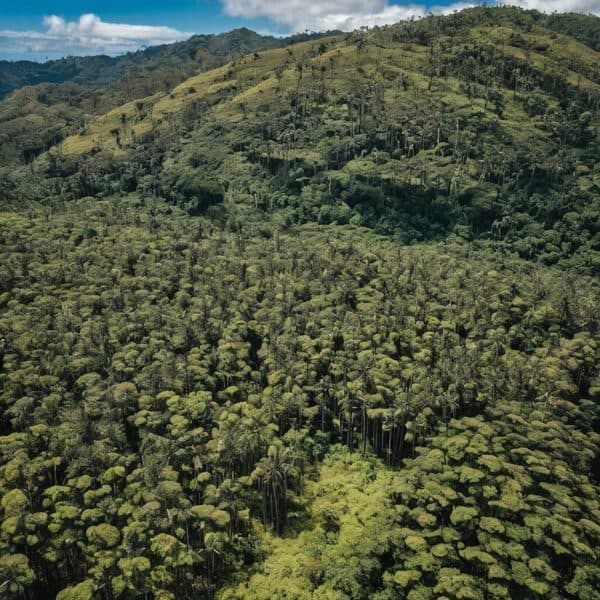
The Trust emphasised the scale of its mandate: landowners across Fiji have leased 85,615 hectares to the pine industry, and the Trust oversees 38 Extension Pine Schemes. Established in 1999 as the statutory bridge between landowners and Fiji Pine Limited, the Trust is legally empowered to safeguard landowner rights and to receive and distribute dividends from the Fiji Pine Group, which comprises Fiji Pine Ltd, Tropik Wood Industries Ltd and Tropik Wood Products Ltd.
The new strategic plan comes on the back of a milestone distribution last year. In November, Fiji Pine Ltd transferred a historic $5 million dividend to the Fiji Pine Trust — the first such payment in the group’s history — a move the companies said signalled a new approach to managing benefits with greater transparency and community‑centred distribution to landowning groups. The Trust was created to manage exactly such flows and ensure proceeds reach the landowners whose land underpins the industry.
The plan also reflects an evolution in the Trust’s role. Over the past two decades the body has transitioned from primarily representing shareholders to acting as a development partner, the statement said, with the Trust Board and management working together to unlock the “full potential” of the national resource. That shift comes amid wider concerns about fragmented planning in the forestry sector: critics and sector stakeholders have previously pointed to weak, disjointed governance between agencies as a barrier to cohesive land and forest management.
The Trust said the five‑year roadmap will guide its work to translate commercial opportunities into tangible benefits for landowners, while driving greater transparency and community engagement. Implementation details and timelines were not released in the statement; the Trust indicated it will communicate its activities and next steps to landowning units and stakeholders as the plan is rolled out.