Energy Fiji Limited (EFL) says Fiji’s power supply remains stable despite mounting uncertainty in global energy markets driven by recent geopolitical tensions involving the United States, Israel and Iran. In a statement issued yesterday, chief executive Fatiaki Gibson acknowledged the risks but said there are currently no immediate constraints on meeting demand, which has exceeded 200 megawatts.
Gibson cautioned that Fiji is not immune to global supply disruptions and price volatility because a portion of the country’s generation relies on imported fuel. He said EFL is tracking international developments closely and coordinating with fuel suppliers, government agencies and development partners to preserve operational readiness and manage any short-term shocks to supply or costs.
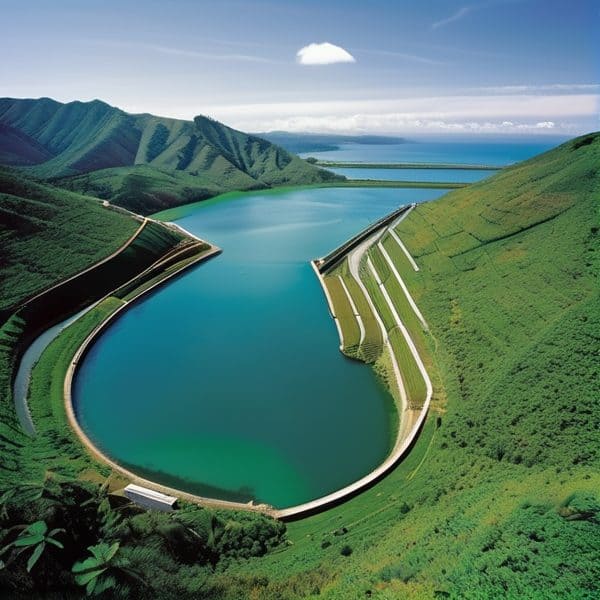
EFL reiterated that roughly 50–55 percent of Fiji’s electricity generation now comes from renewable sources — primarily hydropower, along with biomass, wind and solar — with the balance supplied by thermal plants using imported fuel. The utility said it is proactively optimising its hydro resources to reduce exposure to fuel market volatility and is evaluating alternative fuel generation options as part of contingency planning.
The confirmation of supply stability comes against a backdrop of earlier statements from EFL about a long-term shift towards renewables. In December the company outlined plans that would require around US$2 billion in investment to expand hydropower capacity, scale up solar and battery storage, and strengthen transmission and power evacuation infrastructure to curb future exposure to global fuel-price swings. Sunday’s update frames those strategic moves as part of a broader effort to bolster resilience in the near term as well as over the coming decade.
EFL also appealed to households and businesses to play a role in national energy security by adopting efficient energy practices. Gibson highlighted simple measures — such as switching off unused appliances and reducing unnecessary consumption — that can help ease system pressure and shave generation costs. He described a “whole-of-country” approach as essential to managing risks posed by international market shocks.
While stressing current resilience, Gibson warned that “prolonged global supply disruptions could eventually have adverse impacts,” reiterating why the utility and government are pursuing both immediate risk-management steps and an accelerated transition to cleaner local generation. The latest update follows regional signs of strain such as recent operational adjustments by carriers in the Pacific due to fuel supply constraints, underscoring the interconnected nature of energy security in the region.
Leave a comment