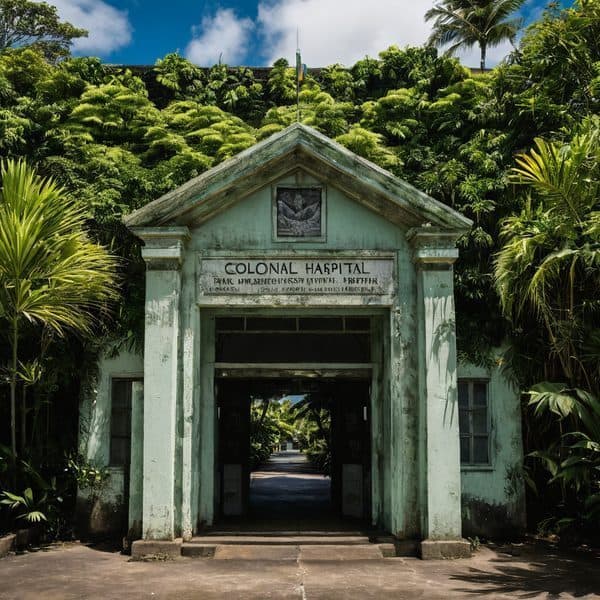
The Fijian Media Association (FMA) used World Press Freedom Day on May 3, 2026, to warn that journalists in Fiji continue to face growing pressures from public commentary by government officials and a deteriorating security environment for reporting. In a statement released for the international observance, the FMA singled out recent remarks by Minister for Information Lynda Tabuya that described coverage of a broken-down lift at Suva’s Colonial War Memorial Hospital as “mal-information” and “misinformation”.
The association said the minister’s commentary was followed by a public call to end “doorstop-style” interviews — a widely used newsgathering technique in which officials are approached informally for comment. “Such a method of newsgathering is well-established in healthy democracies as a necessary part of holding officials accountable,” the FMA said, arguing that discouraging doorstops risks narrowing avenues through which journalists can obtain timely responses from authorities.
The FMA framed the sequence of events as symptomatic of a broader media environment under strain. “These developments signal the kinds of pressures the media continues to be subjected to,” the statement said, urging legislators, senior officials and civil society to recognise how public rhetoric can chill reporting. The association also reaffirmed its commitment to defending press freedom and protecting journalists’ rights in Fiji.
Beyond concerns about official rhetoric and access, the FMA drew attention to mounting operational challenges for reporters, noting the “growing impact” of Fiji’s hard‑drugs crisis. The organisation said escalating drug‑related crime and social harm add another layer of complexity and risk that journalists must navigate while upholding professional standards and ethics. The statement did not detail specific incidents tied to the drugs crisis but framed it as an emerging factor complicating newsgathering and safety.
The FMA’s World Press Freedom Day statement is the latest public intervention from the group amid a string of recent media freedom flashpoints. Earlier this year the association called for clarity after the detention of former journalist Charlie Charters by the Fiji Independent Commission Against Corruption, and in late 2025 it publicly backed regional colleagues after moves in Samoa to restrict access for the Samoa Observer. The periodic frictions over media access and official responses have kept press freedom issues in the national conversation.
By issuing its statement on May 3, the FMA sought to put renewed emphasis on the practical tools journalists use to hold power to account and on the need for authorities to avoid language and policies that could be interpreted as limiting scrutiny. The association called on government, media organisations and civil society to work together “to ensure a safe and supportive environment for media practitioners,” echoing the longstanding view that a free press is essential to a healthy democracy.
The exchange over the hospital lift coverage and the debate around doorstop interviews mark an unfolding episode in Fiji’s press freedom landscape. Observers say how authorities respond to the FMA’s appeal — whether by clarifying the minister’s comments, reaffirming media access norms, or engaging with safety concerns raised by the drugs crisis — will be a key indicator of the state of media freedoms in the months ahead.