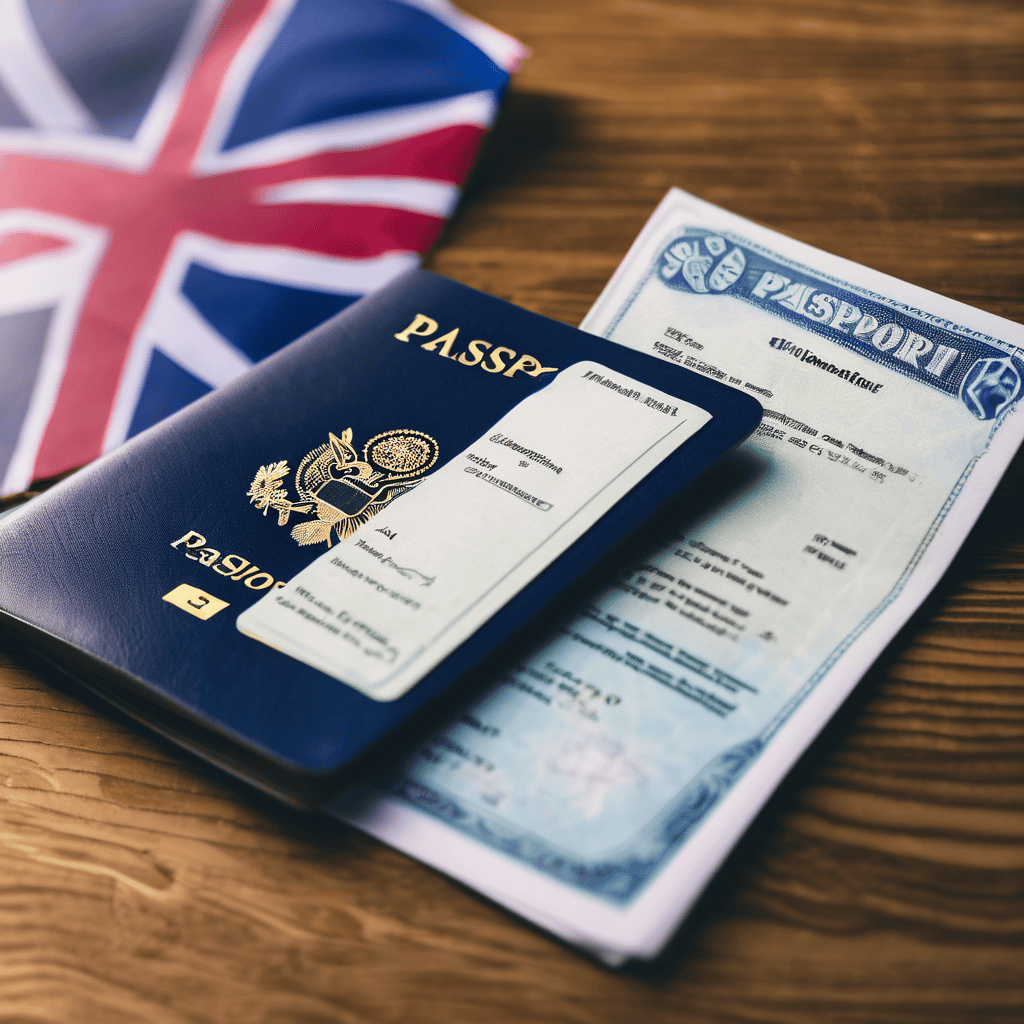
Fiji has become the sole Pacific Island nation affected by a recent decision from the United States Department of State to suspend the processing of immigrant visas for citizens from 75 countries. This suspension, announced on Wednesday, will take effect on January 21 and targets nations deemed likely to require public assistance while residing in the United States, as noted by the Trump administration.
The list of affected countries includes nations like Afghanistan, Iran, Russia, and Somalia. Under the direction of Marco Rubio, consular officers worldwide have been instructed to halt immigrant visa applications from these countries, following broader guidance issued in November aimed at tightening “public charge” regulations.
Importantly, the suspension does not extend to non-immigrant visas, such as those for tourism or business, which account for the majority of U.S. visa applications. Anticipation for these temporary visas is expected to rise as the United States prepares to host high-profile events like the 2026 FIFA World Cup and the 2028 Olympic Games.
The Department of State has stated that the measure is intended to safeguard the integrity of the U.S. immigration system by preventing abuse. Immigrant visa processing will pause for the 75 affected countries while the procedures are reassessed to minimize the entry of foreign nationals likely to depend on welfare or public benefits.
The Trump administration has a track record of enacting stringent immigration restrictions, affecting both immigrant and non-immigrant visa processing for numerous countries, predominantly in Africa, Asia, and Latin America. With Fiji’s inclusion in this latest directive, the country finds itself in a complicated position as the only Pacific nation impacted.
Under the new guidelines, visa applicants will undergo enhanced scrutiny. This assessment will consider factors such as health, financial status, education, skills, family dynamics, English proficiency, and any prior reliance on public assistance. While U.S. immigration law has historically required individuals to demonstrate that they would not become a public charge, these expanded criteria could further restrict eligibility for permanent residency as U.S. immigration rules tighten.
This could present both challenges and opportunities for Fiji’s citizens, as the evolving landscape of U.S. immigration policy may necessitate a reevaluation of pathways to residency and various forms of temporary visas.
Leave a comment