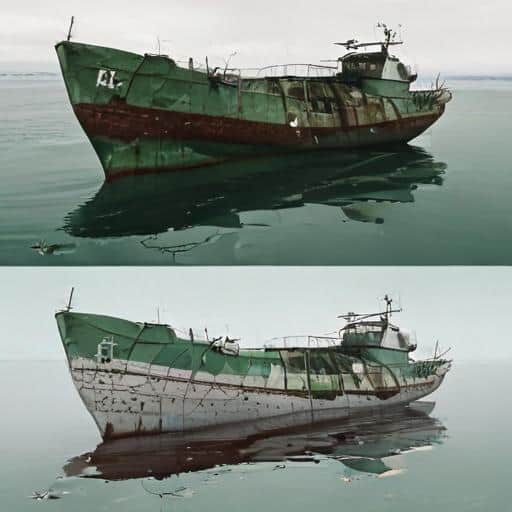
Fiji moves to curb derelict vessels with shipwreck insurance, crackdown measures and new funding
The Coalition Government is stepping up its fight against derelict vessels that threaten Fiji’s environment and maritime safety, announcing a package that includes a mandatory shipwreck insurance requirement for entering ships, tighter enforcement, and new funding for cleanup operations.
Under the plan, ships would need to carry insurance that covers the costs of removal if they become wrecks before they even reach Fiji waters. This pre-entry requirement is designed to ensure vessel owners are financially accountable for wreck-related cleanups and to deter the practice of leaving ships abandoned or dumped in Fiji’s seas. The move is part of a broader push to tighten oversight of the shipping industry and to prevent derelict vessels from clogging harbors and damaging ecosystems.
Officials say enforcement will be strengthened, with more stringent penalties for ship operators who abandon or mishandle vessels. The rules aim to empower enforcement authorities, such as the Maritime Safety Authority of Fiji (MSAF), to take decisive action against non-compliant operators. As part of the approach, authorities will tailor responses to the specific condition and risk of each derelict vessel, including whether parts can be salvaged or if scuttling may be considered in carefully managed contexts with environmental safeguards.
The government is also signaling that environmental considerations will guide disposal choices. Decisions on how to manage a derelict ship—whether to salvage usable components, scuttle in designated areas, or move to other removal methods—will take into account impacts on marine ecosystems and local communities.
A major boost to cleanup efforts comes from more than two million dollars in funding pledged by the Waitt Foundation, with support from the United States, to remove hazardous wrecks and protect Fiji’s marine environment. The funding will support removal operations, reduce environmental hazards, and help safeguard biodiversity in Fiji’s waters.
Context and progress
This initiative builds on ongoing efforts to remove derelict vessels from key harbors. Earlier programs established a formal committee under the Seaport Management and Maritime Transport Act to coordinate weekly removals with the MSAF and other partners, including Fiji Ports Corporation Ltd (FPCL) and law enforcement agencies. The government has already moved to issue letters of vessel concern to owners and agents, mandating repairs and seaworthiness within set timeframes, and pursuing removal or other enforcement actions when owners fail to comply.
Progress has already been felt in Suva Harbour, where a national Marine Environment Joint Committee has led to a substantial reduction in derelict ships. From a high of 44 vessels, the harbour has seen removals and disposals that have brought counts down significantly, with ongoing plans to tighten procedures and accelerate future removals. International collaboration and support have also featured in past efforts, including partnerships with UN bodies and other development partners to fund assessments and removal strategies.
What this means for Fiji’s waters
– Stronger accountability for vessel owners through mandatory insurance and enhanced penalties.
– Clear enforcement pathways for authorities to address non-compliant ships, including seizure or removal as appropriate.
– Environment-first decision-making in how derelict vessels are dealt with, prioritizing ecosystem health and safety.
– Faster, better-coordinated removals through a formal committee and legal framework, backed by international funding.
Key takeaways
– Insurance before entry: Vessel owners must secure shipwreck insurance to cover potential removal costs before ships enter Fiji’s waters.
– Financial accountability: Owners face penalties and removal actions if vessels are neglected or abandoned.
– Environmental safeguards: Removal strategies will consider ecological impacts, with scuttling and other disposal methods used only under stringent environmental oversight.
– International support: Over $2 million in funding from the Waitt Foundation supports efforts to remove hazardous wrecks and protect marine environments.
Commentary and outlook
This approach aligns Fiji’s maritime governance with best practices seen in other years of cleanup efforts, strengthening the legal and financial framework that underpins vessel removals. The combination of stricter regulation, active enforcement, and substantial international support provides a clearer path toward a cleaner, safer, and more navigable maritime environment. If sustained, these measures could accelerate derelict-ship removal, reduce environmental risks, and bolster the sector’s long-term sustainability, benefiting tourism, fishing, and coastal communities.
Summary
Fiji is tightening controls on derelict vessels by introducing a mandatory shipwreck insurance requirement for entering ships, boosting enforcement, and securing significant funding to remove hazardous wrecks. Guided by existing legal frameworks and a dedicated removal committee, the initiative aims to protect marine ecosystems, improve safety, and accelerate the cleanup of derelict ships across Fiji’s harbors.
Leave a comment