
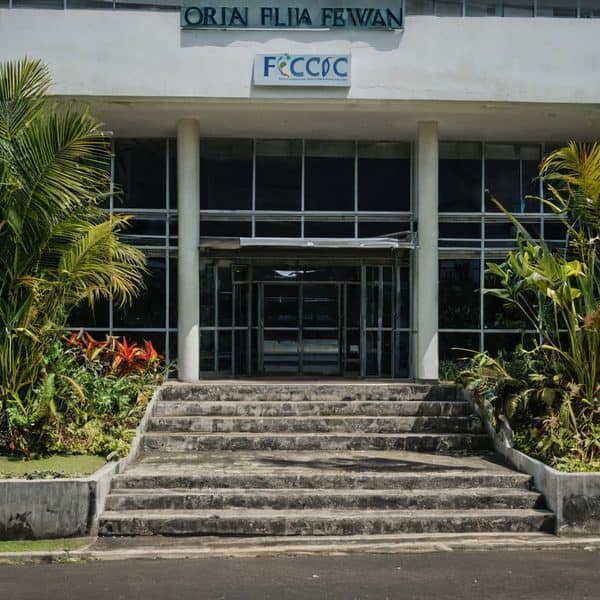
The Fijian Competition and Consumer Commission (FCCC) has pushed back a planned electricity tariff adjustment, deferring any change until July 31, 2026, citing mounting cost pressures from global economic conditions and the need for further assessment of a fuel surcharge proposed by Energy Fiji Limited (EFL).
In a statement announcing the delay, the FCCC said households and businesses are already feeling the pinch of geopolitical tensions and volatile fuel prices, and that an early increase in utility costs would add to that strain. The regulator said the postponement follows ongoing consultations and additional work required to evaluate EFL’s fuel surcharge submission alongside broader economic considerations. The current tariff structure — unchanged since October 1, 2019 — will remain in place for the time being.
The move is the latest turn in a months-long process. In December the FCCC drew scrutiny after announcing revised 2026 rates and then suspending their immediate implementation to open a 21-day public consultation. EFL originally sought a substantial tariff rise; the FCCC subsequently proposed a smaller increase late last year and introduced tiered pricing intended to shield low-usage households. That decision, and the subsequent pause, left the final outcome unresolved and fuelled debate among consumer groups and businesses.
FCCC said the extension will allow for a more balanced and evidence-based outcome, with consumer interests at the centre of its decision-making. “At a time when many households and businesses are already managing costs arising from geopolitical tensions, any increase in utility expenses places additional pressure on everyday Fijians,” the regulator said. It pledged to continue consultations and make a final determination only after completing a full review of EFL’s submission and the wider impact on the economy and the energy sector.
Business representatives welcomed the opportunity for more scrutiny. The Suva Retailers Association and other commercial groups have been vocal about the timing and scale of proposed increases, arguing large rises would hit operating costs and inflationary pressures. Jitesh Patel, who has previously criticised the speed of tariff changes and called for more stakeholder engagement, said the deferment gives businesses breathing space and more time to provide detailed submissions.
EFL, which has repeatedly warned of rising generation and fuel costs, is expected to continue providing data to support its proposed surcharge. The utility has argued higher global fuel prices and supply risks make additional revenue necessary to maintain system reliability and operations. With the FCCC’s latest postponement, that evidence will be subject to further technical assessment and public input before any new charges are applied.
For now, consumers will see no change to their bills under the 2019 tariff structure, while regulators and stakeholders work through the submissions and consultations. The FCCC said it aims to conclude the review in a way that balances EFL’s need to cover legitimate costs with protections for vulnerable households and the wider economy.