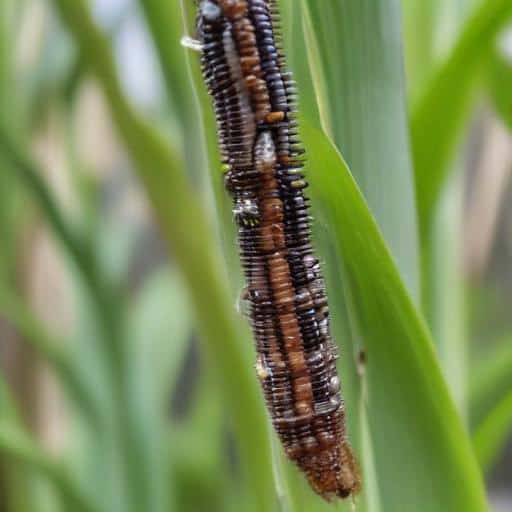
The Biosecurity Authority of Fiji (BAF) has confirmed the presence of the Fall Armyworm (Spodoptera frugiperda) in Fiji, marking a concerning first record for the nation. This invasive pest, which threatens essential crops such as maize, rice, sugarcane, and various vegetables, was identified during targeted surveillance on April 23, 2025, on a maize farm in Uciwai, Nadi, and subsequently verified through laboratory tests.
The Fall Armyworm is notorious for rapidly infesting over 80 plant species, causing extensive damage and yield loss due to its voracious feeding habits. Originally from the Americas, it has spread to various regions around the world, including Africa, Asia, and now the Pacific.
In light of this detection, BAF has swiftly activated its Plant Pest Emergency Response Plan. This comprehensive strategy includes a nationwide survey to determine the extent of the pest’s spread, the deployment of pheromone traps, and visual scouting in both affected and nearby areas. Measures are also in place to quarantine and contain potentially infected plant materials and specimens.
BAF has urged farmers and stakeholders to be vigilant, emphasizing the importance of reporting any signs of infestation. Key indicators to watch for include caterpillars with a distinctive inverted “Y” shape on their heads, irregular feeding damage to maize and other crops, and the presence of insect droppings on foliage. All suspected sightings should be reported to the BAF hotline or the nearest Ministry of Agriculture & Waterways office.
The proactive actions taken by BAF echo previous efforts to combat agricultural threats in Fiji, highlighting the authority’s ongoing commitment to safeguarding food security and promoting resilience among local farmers. The mobilization of resources, along with community engagement, presents a hopeful outlook for effective management and mitigation of the Fall Armyworm’s impact.
Community cooperation and enhanced awareness will be crucial as Fiji navigates this new challenge, underscoring the resilience of its agricultural sector.
Leave a comment