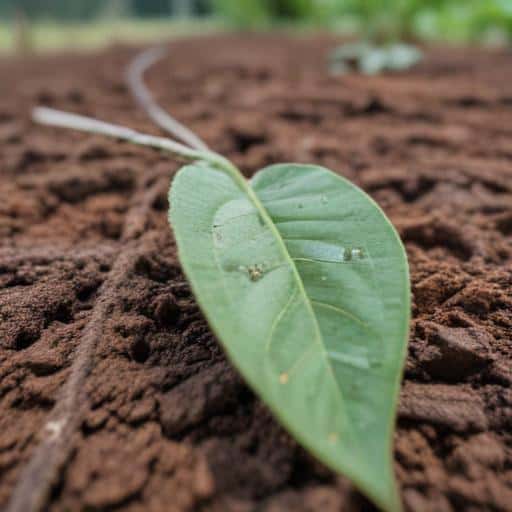
Fiji has officially declared the entire country a biosecurity emergency area in response to the detection of the Fall Armyworm, a significant invasive pest. This decision came after the first case of the pest was identified on a maize farm in Uciwai, Nadi. The declaration took effect on May 1 and was approved by Minister for Agriculture and Waterways, Vatimi Rayalu.
The ruling is established under section 77 of the Biosecurity Act 2008, which strictly prohibits the movement of infested or potentially infested plant materials, including maize, rice, and various vegetables, without prior authorization from the Biosecurity Authority of Fiji (BAF). Additionally, any machinery or equipment that has been in contact with infested fields must undergo mandatory cleaning and decontamination before being moved.
This biosecurity imperative is not just about containment; it represents a proactive and strategic response from BAF, aiming to mitigate significant potential damage to Fiji’s food supply and agricultural economy. The Fall Armyworm is known for infesting over 80 plant species, which could pose severe threats to crops crucial for local farmers and food security.
BAF has previously taken measures to counter agricultural threats, including the implementation of a Plant Pest Emergency Response Plan activated following the pest’s discovery. Ongoing community engagement, increased surveillance, and stringent monitoring are critical for managing the situation. Farmers and stakeholders are encouraged to remain alert to the signs of infestation and report any sightings to BAF.
While the challenges posed by the Fall Armyworm are considerable, these coordinated efforts highlight the resilience and determination of the Fijian agricultural sector. The proactive stance to address this biosecurity concern paves the way for a hopeful outlook, emphasizing the community’s collective commitment to safeguarding local agriculture and ensuring food security for all.
Leave a comment