
The Government has paused rapid movement on the proposed yaqona (kava) legislation to ensure the Bill is shaped by industry voices and community feedback, Agriculture Minister Tomasi Tunabuna told Parliament on Wednesday, describing the approach as a deliberate “listen first” strategy.
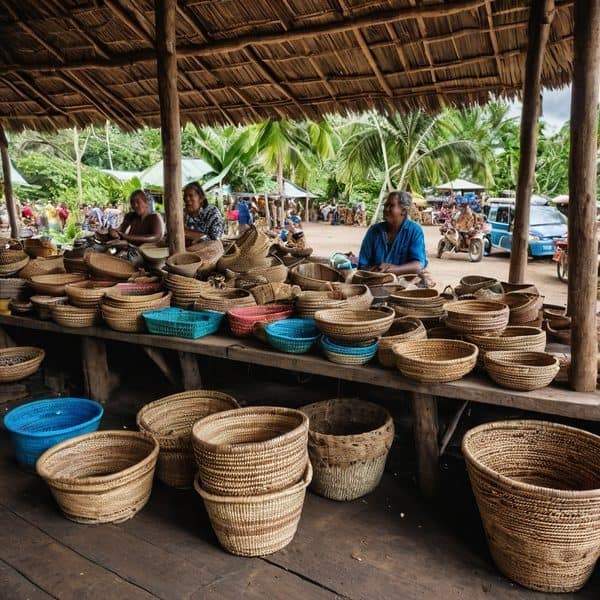
“Some may ask why there has been no rush to pass the Bill today. My answer is simple — this Government listens,” Mr Tunabuna said, stressing that “a good legislation is not written in isolation… but is shaped and woven on the mats of our village community halls, in our bustling markets, and the processing sheds — the export hubs of those who live and breathe this industry every day.” He said the Ministry of Agriculture, Waterways and Sugar Industry had taken a “responsible and deliberate path” over the past year to ensure the Bill is fit for purpose in today’s context, adding that “lasting effective reform must begin with genuine conversation, not just enforcement.”
New details revealed in Parliament show the National Kava Steering Committee — which brings together farmers, exporters, processors, NGOs and regulators — has already reviewed the draft Bill and submitted recommendations. Tunabuna told MPs those recommendations formed the first formal submission to the Office of the Solicitor‑General, signalling that legal scrutiny has begun alongside stakeholder engagement.
The Government also completed extensive public consultations across all four administrative divisions, Mr Tunabuna said. Teams visited inland and maritime communities in Naitasiri, Serua, Namosi, Nadroga/Navosa and Ra, and reached island communities including Taveuni, Somosomo and other Eastern Division islands. The final round of public meetings was led last week by the Assistant Minister for Agriculture on Gau Island, which Tunabuna said marked the conclusion of the nationwide consultation process.
A central aim of the outreach was to include remote communities and ensure representation from groups often under‑heard in policy processes. The Minister highlighted “strong participation from women, youth and farmers with special abilities,” saying the ministry made “every effort to ensure that no community, no matter how remote, is left unheard.” He framed the consultations as essential to producing a law that reflects on‑the‑ground realities in markets and processing sheds, not just regulatory priorities set in Suva.
With the consultation phase complete and the Steering Committee’s input registered with the Solicitor‑General, the ministry now faces the task of consolidating feedback and adjusting the draft accordingly before further legal drafting and tabling. Tunabuna did not provide a firm timetable for when a revised Bill will return to Parliament, but his emphasis on inclusivity signals the Government intends the legislation to secure broad industry buy‑in.
Industry stakeholders have previously raised concerns about enforcement and market access; ministers argue that a consultative approach will produce more durable, practicable rules that support legitimate producers and exporters while addressing public health and trade considerations. The latest development — an extended consultation period culminating on Gau Island and a formal submission to the Solicitor‑General — positions the Bill to move forward once the Ministry finalises revisions reflecting the wide range of views collected.