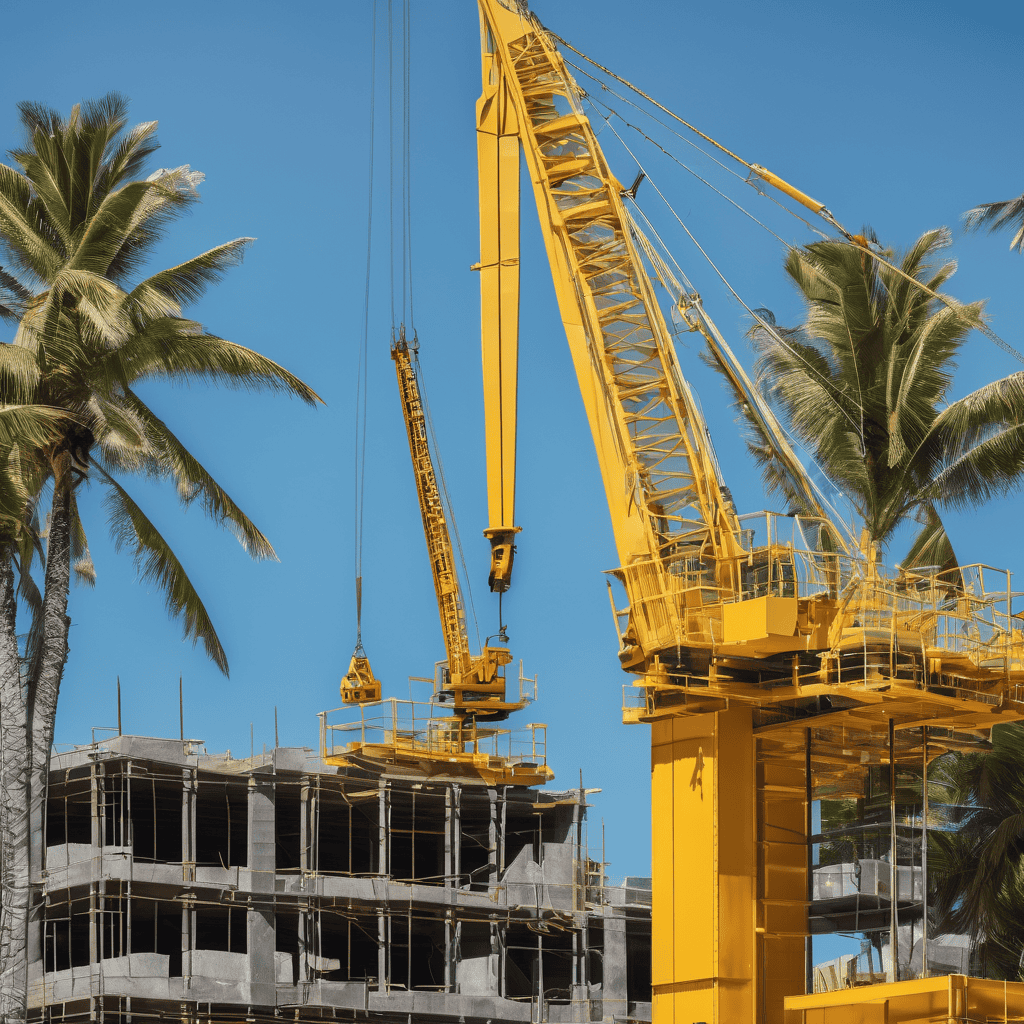
The Fiji Bureau of Statistics has reported that the total estimated value of work put-in-place for the September quarter of 2025 reached an impressive $174.2 million. This reflects a significant increase of 21.4 percent, or $30.7 million, compared to the previous June quarter. When looking back at the same period in 2024, there was an even more remarkable gain, with the value rising by $46.5 million, or 36.4 percent.
Kemueli Naiqama, the chief executive officer of the Fiji Bureau of Statistics, indicated that this surge was primarily driven by the private sector, which contributed $93.3 million—accounting for 53.6 percent of the total value of work completed. The public sector followed closely with a contribution of $80.9 million, or 46.4 percent.
In its December economic review, the Reserve Bank of Fiji (RBF) noted a decline in the number of completion certificates issued, which dropped by 25.1 percent. However, the monetary value of these certificates increased dramatically by 167.8 percent for the year ending in the third quarter. This trend is supported by an overall expansion in the value of work put-in-place, which grew by 20.4 percent during the same timeframe. The RBF highlighted that rising building costs earlier in the year and the completion of high-value projects were key factors contributing to this increase.
Despite a decline in building material prices over the last two quarters of 2025, the annual figure stayed elevated, showing only a minor decrease of 0.9 percent. Encouragingly, the number of building permits issued—a vital forward-looking indicator of construction activity—grew by 10.4 percent, though there was a slight drop of 3.6 percent in the value of those permits through the third quarter.
In addition, imports of prefabricated building materials and other construction items surged by 43.5 percent up to October, indicating a boost in construction activity while reflecting cost-saving measures within the sector. Nevertheless, the RBF observed a minor decline of 0.2 percent in new loans for investment, influenced by a noteworthy drop of 15.3 percent in lending specifically targeted towards the building and construction sectors. In contrast, lending to households and the real estate sector increased by 16.0 percent.
Overall, this data paints a promising picture for Fiji’s construction industry, suggesting optimism amidst challenges, particularly through the continuing public and private sector engagement in building and infrastructure projects.
Leave a comment