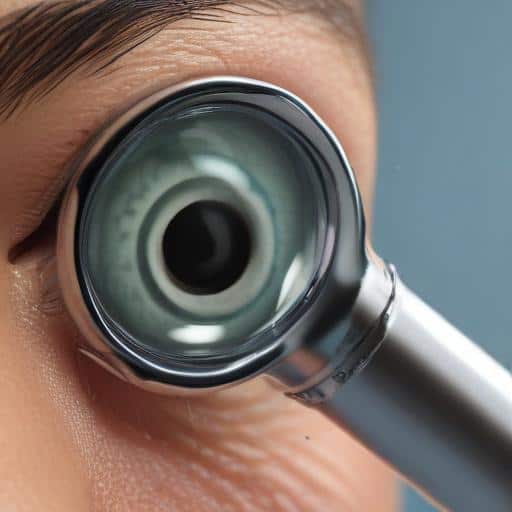
Fiji eyes early GI disease detection as education gaps linger and partnerships boost local endoscopy
Fiji is confronting a growing public health challenge driven by limited education and awareness about gastrointestinal diseases. Many people in the country do not recognize warning signs such as bowel bleeding, unexplained weight loss, changes in bowel habits, or loss of appetite until the disease has progressed, making treatment more difficult.
Gastroenterologist Dr. Andrew Merrett warns that timely medical intervention is crucial. Gastroscopy and colonoscopy can identify esophageal, stomach, and large bowel diseases at early stages, but the real turning point is people presenting to a doctor early. Endoscopy, he notes, can play a significant role in improving care for the local population.
Cultural attitudes also impede prompt help-seeking, with many individuals enduring symptoms without medical consultation. Dr. Mai Ling Perman, head of the Fiji National University School of Medical Sciences, adds that younger people are increasingly diagnosed with gastrointestinal diseases after presenting late, often after visiting multiple doctors. She says many conditions, including ulcer disease, are curable if detected early, but patients may endure symptoms for a long time before seeking care, leading to serious complications.
Public education, awareness campaigns, and regular health check-ups are essential to ensure timely medical attention and reduce complications. Health experts are calling for a coordinated national approach to improve knowledge, encourage early consultation, and promote preventive care across Fiji.
The momentum to strengthen Fiji’s GI services is already building. Similar initiatives are expanding diagnostic capacity through training and infrastructure development, including the establishment of a dedicated GI operating theatre in Suva. Endoscopy, gastroscopy, and colonoscopy training are being advanced with international partnerships to broaden access for clinicians on outer islands and remote regions. These efforts are supported by ongoing collaborations with Australian and New Zealand medical teams, aiming to upskill local clinicians and improve patient care pathways.
Experts anticipate that sustained capacity-building, upgraded radiology and digital imaging, and better operating facilities will reduce the need for referrals abroad and enable earlier diagnoses. If continued, these partnerships could position Fiji as a regional hub for GI services and related training, benefiting both patients and healthcare workers across the Pacific.
What this means for readers and communities:
– Greater emphasis on public health messaging about GI symptoms and the importance of early medical review.
– Expanded local endoscopy services and training to detect diseases earlier and avoid invasive surgeries later.
– Improved access to GI care for people in outer islands and remote areas through dedicated operating theatres and outreach training.
– A positive trajectory toward stronger health systems, with potential regional leadership in GI care.
Additional comments and logical points:
– Pairing awareness campaigns with routine health checks in schools and workplaces could normalize early consultation and reduce late presentations.
– Investments in endoscopy capacity should be aligned with broader health system upgrades, including radiology, electronic records, and telemedicine support, to maximize impact.
– While GI health is a focal point, these developments fit into Fiji’s wider push to address non-communicable diseases and strengthen preventive care overall.
Summary: Fiji is prioritizing early detection of gastrointestinal diseases through education, public outreach, and expanding endoscopy capacity. International partnerships are helping to build local expertise and infrastructure, with the aim of earlier diagnoses, fewer complications, and a potential rise in Fiji’s role as a regional GI services hub. The approach holds promise for better health outcomes and a more resilient health system.
Veika vuli vakaviti na iSummary
Na iVakamacalataki: E vakasautu na veiqaravi ni matavuvale me baleta na whilea ni vakadidike vata kei na kena ivakarau ni bula e Viti. E raica na mataginaga ni soqo ni bula me baleta na iVakadewa ni mate kei na veivakacakacaka; na veivakadonui ena gauna vata kei na vakai vakadidike ni manumanu ena vukea na vanua me kila vata na tubu ni balavu ni mate ena tukuni: na kena vakadidike mai rara kei na ivi ni veiqaravi ni matavuvale me wasea na vanua.
Summary in Fijian (Veivakasalataki)
E a sa vakavinakataki tiko na Viti na i tuvaki ni kawai ni vuli ni veiqaravi ni matavuvale me baleta na goneyaga ni mate ena gauna makawa me rawa ni kilai na mate e okati kina na yaca ni leqa. Ena vakabulai tale ga na veika ni vale ni vuli kei na ilalaka ni vanua e na vukea na “early presentation” kei na vakadidike ni mate e curu vata kei na veitarogi eda tarava. E sa vakabibitaki ni na tiko ena mataveilewai na nodra vakavinakataki kei na veitubaki oqo ena sala ni veivakabulai e Viti, ena duuru tale ga me tiko kina na veiqaravi ni matavuvale ena vanua kece.
Note: The Fijian translation provided is a concise restatement of the English summary intended for a local reader. If you’d like a more formal or locally nuanced version, I can refine it with input from a native Fijian reviewer.
Leave a comment