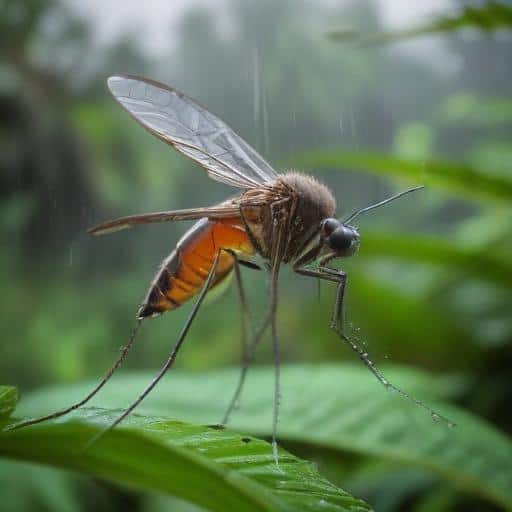
Recent heavy rains and soaring temperatures have led to a sharp increase in dengue fever cases within Fiji’s Western Division. Pacific Specialist Healthcare (PSH) has stepped up its efforts to combat this outbreak by enhancing triage systems, creating dedicated observation beds, and expanding laboratory services to accommodate the surge in patients.
Dr. Ratu Vereniki Raiwalui from PSH pointed out that stagnant water around homes provides ideal breeding conditions for the Aedes aegypti mosquito, which is responsible for spreading the dengue virus. Most cases are reported among individuals aged 10 to 29, and health officials are monitoring patients for critical warning signs such as abdominal pain, bleeding, vomiting, and sudden health deterioration.
This increase in cases is linked to a new dengue strain that has emerged locally, reducing the population’s overall immunity. Dr. Raiwalui emphasized that accurate laboratory testing is essential, as dengue symptoms can mimic those of other illnesses such as leptospirosis and typhoid. Severe symptoms can be more pronounced in individuals with chronic health issues like diabetes or kidney disease, necessitating coordinated responses from various medical departments.
In light of the situation, PSH advises against the use of anti-inflammatory drugs like ibuprofen, which may heighten the risk of bleeding in dengue patients. Instead, paracetamol is recommended for fever management. The healthcare team is also actively working with community members to raise awareness about eliminating stagnant water and effectively covering water containers to prevent mosquito breeding.
In response to the escalating crisis, the Ministry of Health has declared a national health emergency, initiating fogging and larvicide applications in high-risk areas to control mosquito populations. Dr. Raiwalui expressed that early action and collective efforts from the community can help contain the outbreak.
Considering the broader regional contexts, health authorities across various divisions have reported similar challenges due to environmental conditions that support mosquito breeding. Collaborative community efforts, combined with governmental interventions, may foster a hopeful outlook in managing and controlling the dengue fever outbreak effectively. These strategies highlight the significance of public health preparedness and individual responsibility in safeguarding communal health amidst adverse weather conditions.
Leave a comment