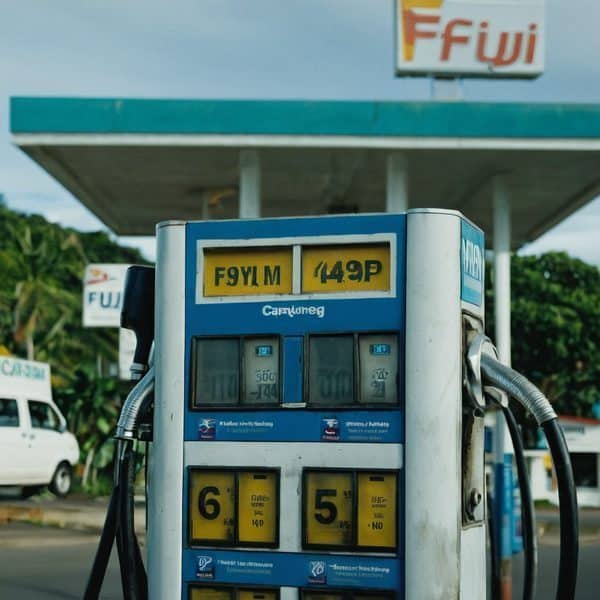
The Fijian Competition and Consumer Commission (FCCC) has defended its April 2026 fuel price determination, saying the move was a necessary and lawful response to exceptional volatility in international fuel markets and aimed at keeping essential supplies available across the country. The regulator said it followed its established methodology and extended its normal pricing calculations to better reflect rapid market shifts that emerged earlier this year.
FCCC emphasised that Fiji’s status as a small, import‑dependent economy means local pump prices are heavily shaped by overseas market forces — including crude and refined product prices, freight and foreign exchange movements — that are beyond domestic control. With only three fuel suppliers operating in Fiji, the Commission said options to negotiate alternative supply arrangements are limited, making accurate, timely pricing decisions important to secure continuous imports and national stocks.
The Commission revealed the April review took place amid “exceptional” market turbulence. It noted that fuel stocks in February were depleting faster than usual and replacement cargoes were being sourced at substantially higher costs. To capture those changing conditions, FCCC extended its standard one‑month pricing reference window by an additional 20 days. The extension, it said, allowed the April determination to better mirror the real cost of importing fuel under current global conditions rather than relying solely on a single monthly snapshot.
FCCC stressed the April adjustments do not equate to higher profits for oil companies operating in Fiji. Fuel margins are regulated under its pricing framework, the regulator said, and the determination was intended to reflect import and logistics costs rather than add to industry earnings. Since the onset of conflict in the Gulf region earlier this year, FCCC has been intensively monitoring markets for fuel and LPG, tracking freight rates, foreign exchange pressures and domestic stock levels — including daily data sharing with suppliers.
The regulator said a balanced approach guided the April review: its aim was to cushion consumers from excessive short‑term price shocks while ensuring merchants and importers could continue supplying fuel nationwide. The move follows supply strains reported earlier in the year, such as airlines restricting services on some regional routes because of fuel availability, underscoring the risks of under‑supply in an island economy reliant on imports.
As a final warning, FCCC reiterated its enforcement role under the FCCC Act 2010, saying any trader found overcharging, hoarding or engaging in anti‑competitive conduct will be subject to investigation and enforcement action. The statement is intended to reassure consumers and signal to market participants that pricing decisions and market behaviour will be closely scrutinised while global conditions remain unsettled.
Leave a comment