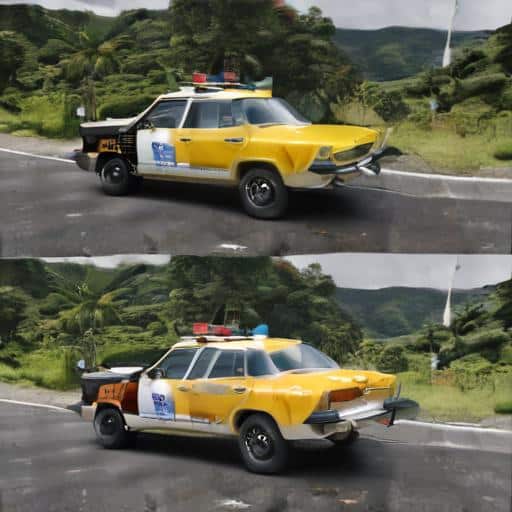
A year on, musician Sonii Sirilo Vakalolo’s family is still waiting for accountability after a police vehicle allegedly collided with their car on the Queen’s Highway near Sigatoka. The crash destroyed the family’s 2012 Toyota Wish, a vehicle they had just finished paying off and relied on for school runs, gigs, and daily transport. Vakalolo, who had just paid the last $23,000 for the car, described the vehicle as more than a car—it was his family’s lifeline.
The accident left the Wish sitting idle, with repair costs estimated at around $8,000 that the household cannot afford. Without the car, routine trips to town, school drop-offs, and transporting instruments to events now require expensive alternatives, such as taxis that cost up to $30 for a town trip and $40 for instrument transport. Vakalolo said the family was reassured by police that the officer responsible would take responsibility, but a year has passed with no payment or settlement.
“The day the accident happened, we had just finished paying the last dollar,” he recalled. Now, he and his four children are bearing the consequences of someone else’s alleged mistake. He also worries about what the incident signals about road safety and police accountability. “Careless driving by police officers puts lives at risk. If this can happen to me, it can happen to anyone.”
FBC News has raised the issue with police, but as of now there has been no response. For Vakalolo, the case represents more than a personal loss; it highlights ongoing concerns about accountability within road safety and the weight of a community seeking justice and support after such incidents.
Context and value-added notes:
– This case underscores ongoing financial strain on families when accidents involve police or government vehicles and there is just not enough timely compensation or accountability.
– It echoes wider community concerns about road safety, the handling of police-involved crashes, and the need for clear procedures to support victims.
– While the family navigates daily challenges, the broader takeaway is a push for faster, transparent action from authorities to uphold driver responsibilities and protect vulnerable road users.
Positive, constructive angle:
– The situation could catalyze renewed calls for a formal, transparent process to address police-involved crashes and for immediate interim support for families who lose essential transport.
– It also highlights the importance of road-safety education and accountability as ongoing priorities for policymakers and law enforcement.
Summary:
– A year after a police vehicle allegedly struck the family car of musician Sonii Sirilo Vakalolo on the Queen’s Highway near Sigatoka, the family remains without compensation as repair bills loom. The car had just been paid off, and the family now faces transportation costs and daily disruptions without their primary vehicle. Vakalolo emphasizes concerns about road safety and police accountability, while police have not yet provided a response.
Fijian summary
Na iVakasamataki ena Vosa Vakaviti
E dua na yabaki oti mai na itavi ni motoka ni polisia e sega ni qai rawata na ilavo ni dua na motoka ni famili e liu vei Sonii Sirilo Vakalolo e Sigatoka. Na motoka ni family, e kilai me Toyota Wish 2012, a ratou sa qai la’ilai na ilavo me sa qai vata na ivakarau, ia sa vakavuqa tiko kina na itikitaki ni veisemata ni gauna. E tukuna ni sa vakalewai na kena kauaitaki, ia na solevu ni veika vakilai e tu vei ira me vaka na iLavo ni veivakadonui e 8,000 na dollar. E sega ni curu tale na ilavo ni matanitu, ia e 12 na vula a tukuna na vuni ni motoka. E kaya na peroli: “Na siga ni na rarawa na kena vakatovolei, sa oti na ilavo.” E vakavinavinakata na veivakadonui ni polisia, ia e sega ni dua na risiti ni ilavo. Na FBC News e sa tukuna ki na loma ni polisia, ia me qai mai yacova na gauna oqo, e sega ni taubale vei ira na itukutuku.
Commentary and value-add:
– The case highlights ongoing concerns about accountability and timely support for victims when incidents involve police or government vehicles.
– It reinforces the broader need for continuous road-safety measures and transparent processes to resolve complaints efficiently.
– Community voices calling for safer roads and clearer accountability mechanisms can help drive policy improvements and better protection for families in similar situations.
If you’d like, I can adjust the tone (more urgent, more neutral) or add quotes from local road-safety advocates to enrich the piece. I can also provide a longer background box on related road-safety concerns and how agencies handle police-involved crashes in Fiji.
Leave a comment