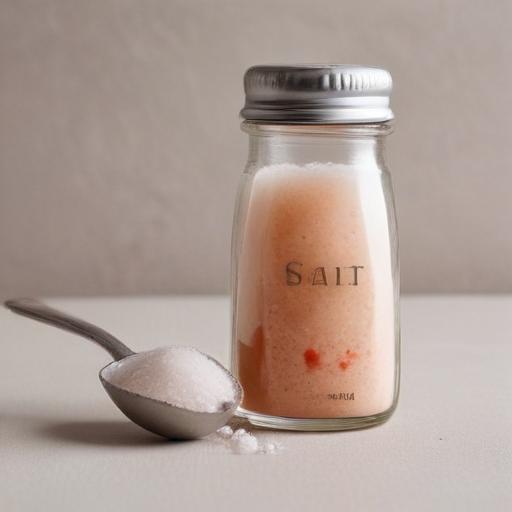
Fijians are being urged to cut back on salt consumption as excessive intake is contributing to increasing rates of high blood pressure and other serious health issues. Senior Nurse Lilly Ofia from Lomaloma Subdivision Hospital emphasizes that the high consumption of salt is directly associated with hypertension, which significantly raises the risk of heart disease and stroke—two of the leading causes of death in Fiji.
Ofia points out that traditional Fijian cooking commonly incorporates high-sodium ingredients, leading many in the community to be unaware of the long-term health risks associated with high salt intake. To combat this, she advocates for the use of herbs and spices as healthier alternatives to salt in everyday meals, suggesting that even minor changes in cooking habits can greatly enhance long-term health outcomes.
Complementing this effort, community health initiatives are in progress to educate families about nutrition and healthy cooking practices, particularly focusing on establishing balanced diets from an early age. Awareness campaigns are also promoting low-sodium products and encouraging the purchase of fresh produce from local markets.
Ofia notes that empowering communities with knowledge and resources is crucial to challenging and changing traditional dietary habits. This campaign to reduce salt intake aligns with broader efforts by the Ministry of Health to tackle non-communicable diseases and improve health outcomes nationally.
This renewed push towards salt reduction has echoes in other health campaigns, highlighting the critical need for comprehensive public health strategies that address dietary habits. Similar initiatives have been successfully implemented in countries like Finland, which saw dramatic declines in hypertension through a national salt reduction program.
For a healthier Fiji, it’s essential that communities unite in making informed dietary choices today, fostering a culture of wellness that can lead future generations towards better health.
Leave a comment