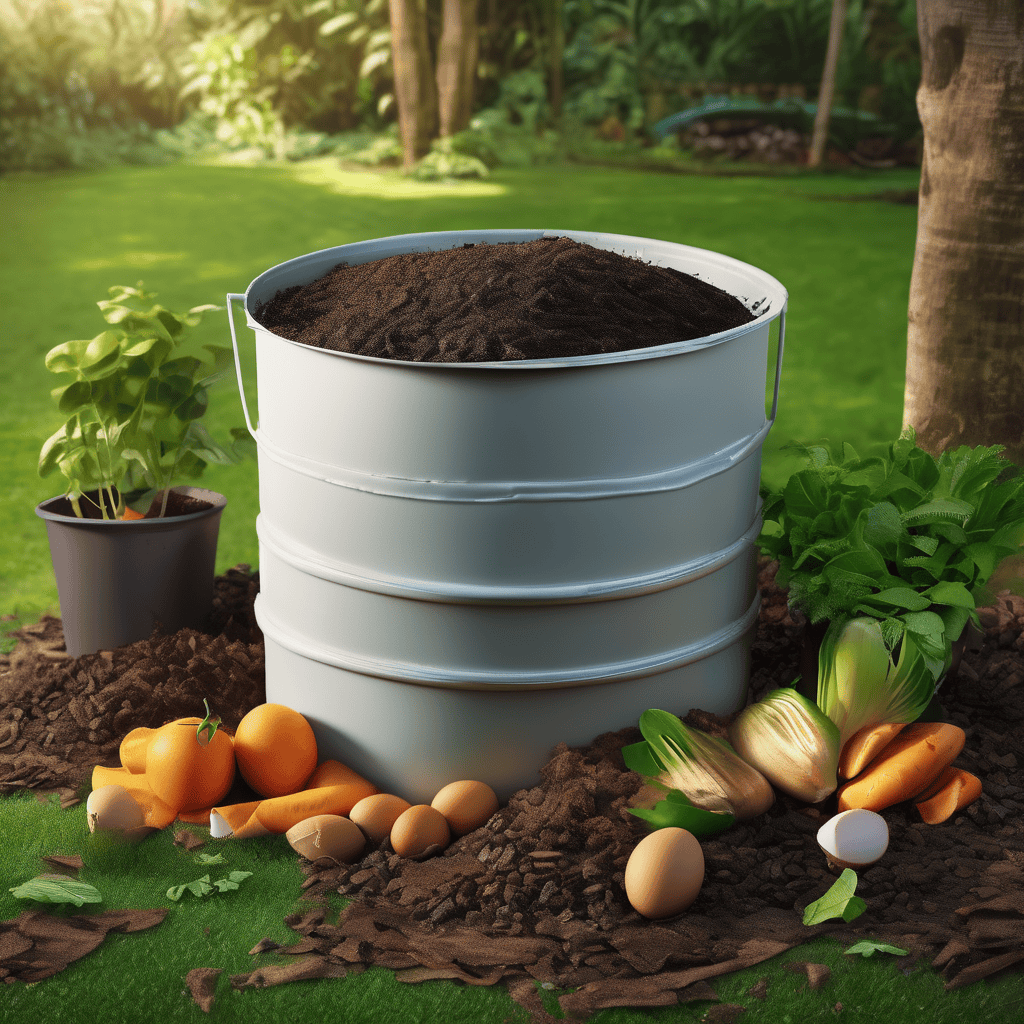
Food waste has emerged as a critical global challenge, impacting the environment, economy, and social well-being. Each day, households, restaurants, supermarkets, and institutions discard large quantities of both edible and inedible food. This waste contributes substantially to landfill pollution and climate change.
One effective solution to combat food waste is composting, which not only benefits the environment but also enhances community health. Composting helps prevent the production of methane gas, a potent greenhouse gas generated when food decomposes in landfills. This gas traps more heat than carbon dioxide, exacerbating climate change. By allowing organic waste to decompose in oxygen-rich environments, composting eliminates methane emissions and aids in carbon sequestration.
Beyond its climate benefits, composting enriches soil health. The process yields nutrient-rich, organic material essential for plant growth, enhancing soil structure, water retention, and the presence of beneficial microorganisms. Healthier soil can mitigate erosion, boost plant resistance to diseases, and increase crop yields, making it especially useful for farmers, gardeners, and landscapers. Additionally, using compost reduces the need for chemical fertilizers, protecting waterways and ecosystems from potential pollution.
Composting significantly contributes to minimizing the amount of waste directed to landfills, as food scraps constitute a substantial portion of both household and commercial waste. Diverting food waste to compost helps extend the lifespan of landfills, cut waste management costs, and alleviate the environmental impact related to waste transportation and processing. This diversion process promotes cleaner communities and makes waste management more efficient.
Moreover, composting embodies a circular economy by transforming food scraps into a valuable resource instead of viewing them as waste. Nutrients from food waste return to the soil, fostering new plant growth and emulating natural recycling processes. Through composting, individuals often develop greater environmental awareness and responsible consumption habits, taking proactive steps to minimize overall food waste.
With various accessible composting options—ranging from outdoor composting to curbside green bins, drop-off sites, vermicomposting, and bokashi bins—most households can participate in this sustainable practice. Composting food waste is not only vital for environmental protection and enhanced soil health but also for paving the way toward a more sustainable future, delivering numerous benefits for both individuals and the planet.
Leave a comment